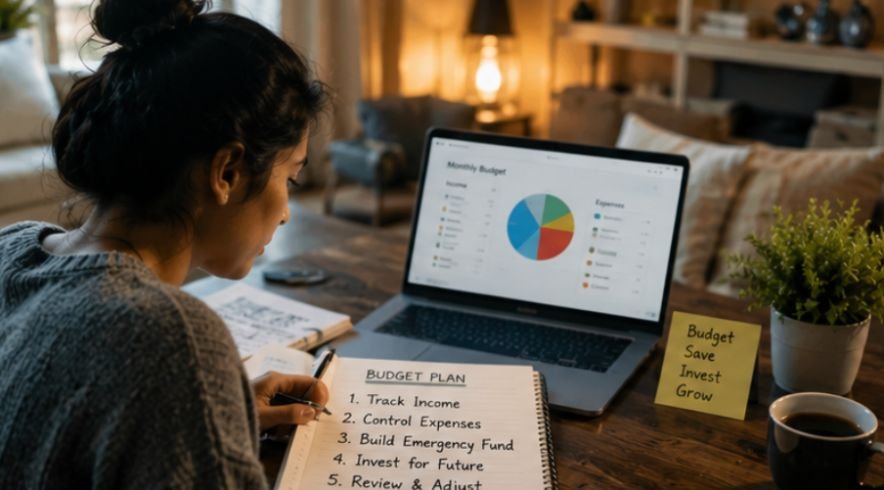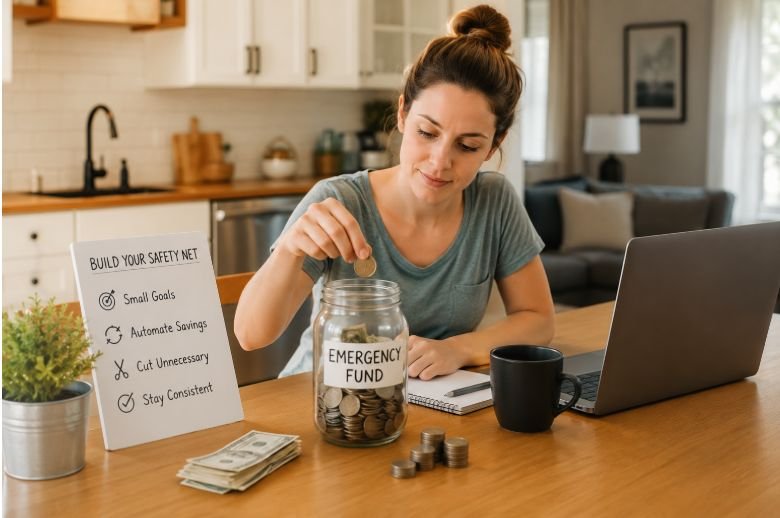









Saving money has a reputation for being boring. Ask anyone about budgeting, and you’ll probably hear advice about skipping coffee, canceling every subscription, or saying no to every dinner out. While those ideas might help for a while, they rarely last because they make life feel like a series of sacrifices.
The easiest way to save money every month isn’t about cutting everything you enjoy. It’s about making smarter decisions with the money you’re already spending. Small changes to your daily habits, combined with a plan that fits your lifestyle, can help you save consistently without feeling like you’re missing out. That’s exactly why so many people are moving away from strict budgets and toward more sustainable money-saving habits.
Why Saving Money Doesn’t Have to Feel Restrictive
Many people assume that saving money means giving up everything fun, but that’s often why budgeting fails. When every purchase feels like a punishment, it’s only a matter of time before old spending habits return.
Instead, think about spending based on value rather than guilt. If something genuinely improves your life and fits your monthly budget, it doesn’t have to disappear. The real opportunity usually lies in cutting expenses that no longer serve a purpose while keeping the things you actually enjoy.
Pay Yourself Before You Spend Anything Else
One of the simplest personal finance tips is also one of the most effective: move money into savings as soon as you get paid.
Automating a transfer removes the temptation to spend first and save whatever is left. Even a small automatic transfer each payday creates momentum over time. Since the money is moved before you start spending, your monthly budget naturally adjusts around what’s available.
Saving becomes another monthly bill you pay, except this one benefits your future.
Find the Hidden Expenses That Add Up

Most people don’t overspend because of one large purchase. They lose money through dozens of small recurring expenses that quietly drain their cash flow.
Take a few minutes every month to review your subscriptions. If you haven’t opened a streaming service, fitness app, or premium membership in the last month, it’s probably time to cancel or pause it. Instead of paying for multiple streaming platforms, rotate them throughout the year based on what you actually watch.
You should also contact your internet, cell phone, and insurance providers occasionally. Companies often have promotional offers or retention discounts that existing customers never receive unless they ask.
These small adjustments can reduce monthly expenses without changing your daily lifestyle.
Think Cost-Per-Use Before Buying
Impulse purchases usually happen because we focus on the price instead of the value.
A simple habit that helps is calculating the cost per use. Before buying something that isn’t essential, ask yourself how many times you’ll realistically use it.
A $120 pair of running shoes worn several times each week may cost less per use than a $40 gadget that ends up sitting in a drawer. Looking at purchases this way encourages mindful spending instead of emotional spending.
Over time, this habit naturally reduces unnecessary purchases without making shopping feel restrictive.
Give Every Dollar a Purpose
One budgeting method that continues to work well is the 50/30/20 rule.
- 50% for essential expenses.
- 30% for personal wants and entertainment.
- 20% for savings and financial goals.
This approach removes the guilt from spending because entertainment already has its place in the budget. Instead of wondering whether you deserve a night out or a weekend activity, you know it fits within your plan.
Having room for enjoyment makes it much easier to stick with healthy financial habits long-term.
Build Small Habits Instead of Big Challenges
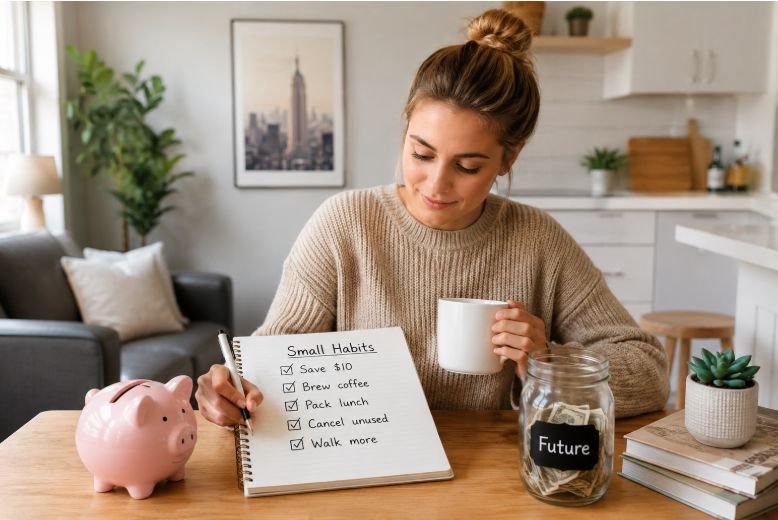
Extreme saving challenges often create excitement in the beginning, but they rarely become permanent habits.
Instead of trying to save hundreds of dollars overnight, focus on improvements you can repeat every month.
You might cook one extra meal at home each week, wait 24 hours before making non-essential purchases, or review your recurring expenses at the end of every month. These habits don’t feel overwhelming, but together they create meaningful savings over time.
If your goal is building long-term financial security, consistency will always outperform short bursts of motivation.
Saving Money Should Support Your Lifestyle
Money isn’t only about paying bills. It’s about creating choices.
Saving consistently gives you more flexibility when unexpected expenses appear, helps reduce financial stress, and makes future goals feel achievable. Whether you’re planning a vacation, buying a home, or simply wanting greater peace of mind, every small deposit moves you closer.
If you’re looking beyond monthly savings, learning easy ways to build an emergency fund faster is a natural next step because it creates a financial cushion that protects the progress you’ve already made.
FAQs: The Easiest Way to Save Money Every Month Without Giving Up the Things You Enjoy
What is the easiest way to save money every month?
Automating your savings right after payday is one of the simplest methods because you save before spending and build consistency without extra effort.
Should I stop spending on entertainment?
No. Budgeting works better when it includes money for hobbies and activities you enjoy, making it easier to stay consistent.
How often should I review my monthly expenses?
A monthly review is enough for most people. Check subscriptions, recurring bills, and spending habits to identify easy savings.
Is saving a small amount every month worth it?
Yes. Even modest monthly contributions grow over time and help build financial confidence while preparing you for unexpected expenses.
Why Consistency Always Beats Cutting Everything
The easiest way to save money every month isn’t about saying no to everything you enjoy. It’s about understanding where your money goes, making intentional choices, and building habits that feel realistic enough to continue year after year. Small changes like automating savings, reviewing subscriptions, and spending with purpose create lasting results without making everyday life feel limited.
When saving becomes part of your routine instead of a temporary challenge, it stops feeling like a sacrifice and starts feeling like progress.