






Unexpected expenses never seem to arrive at the right time. A car repair, medical bill, broken appliance, or even a temporary job loss can quickly turn into a financial headache when there’s nothing set aside to cover it. Most people don’t struggle because they don’t understand the importance of saving; they struggle because finding extra money each month feels nearly impossible.
The good news is that building an emergency fund doesn’t require a six-figure salary or drastic lifestyle changes. It’s usually the result of small, consistent decisions that become part of your routine. If you’re working with a limited budget, there are still plenty of easy ways to build an emergency fund faster without giving up everything you enjoy.
Why an Emergency Fund Matters More Than Ever

Life has become more expensive, and financial surprises can happen when you least expect them. Having emergency savings gives you a financial cushion so unexpected costs don’t automatically become credit card debt or personal loans.
An emergency fund also provides peace of mind. Knowing you have money available for genuine emergencies reduces financial stress and makes it easier to focus on long-term financial goals instead of constantly reacting to short-term problems.
Start With a Goal You Can Actually Reach
One of the biggest mistakes people make is trying to save several months of living expenses immediately. That goal can feel overwhelming, especially if you’re already managing bills on a tight budget.
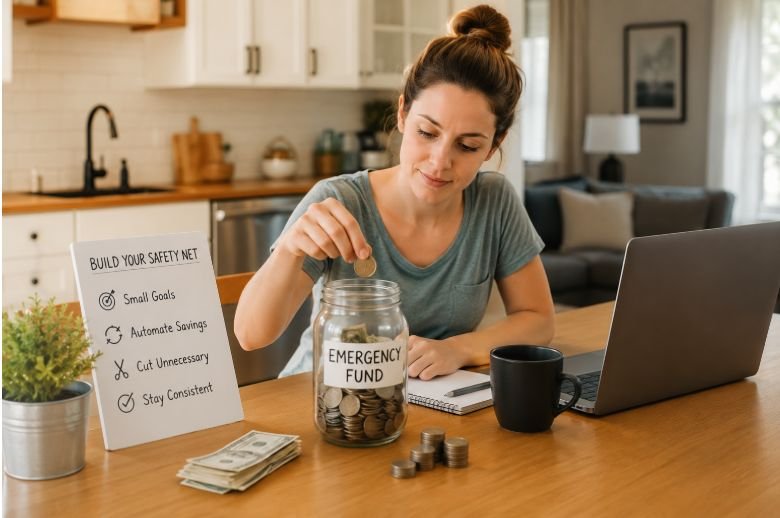
Instead, aim for your first $500 or $1,000. Reaching a smaller milestone builds confidence and creates momentum. Once you see your savings growing, increasing your goal feels much more achievable than starting with an intimidating number.
Saving isn’t about making one huge deposit. It’s about proving to yourself that consistency works.
Automate Your Savings Before You Spend
One of the easiest ways to save money fast is to remove the decision altogether.
Schedule an automatic transfer from your checking account to a separate savings account the day after every paycheck arrives. Even transferring $20 or $30 every pay period adds up over time because you’re treating savings like any other monthly bill.
When the money moves automatically, you’re less likely to spend it on impulse purchases or everyday expenses.
Find Small Spending Leaks

Building emergency savings doesn’t always require earning more. Sometimes it starts with noticing where your money quietly disappears.
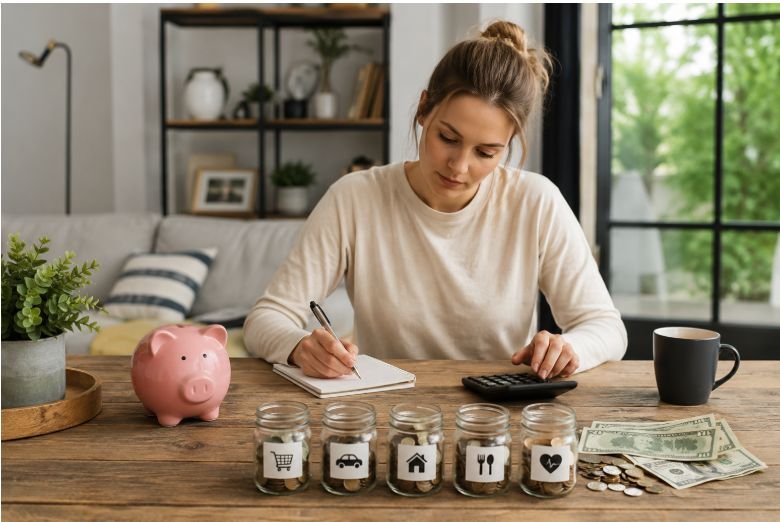
Look through your recent bank statements for subscriptions you rarely use, frequent food deliveries, unused memberships, or everyday purchases that don’t add much value. Cutting one or two unnecessary expenses each month can free up enough cash to grow your savings faster.
This approach works especially well when combined with simple budgeting habits that actually work, making it easier to control spending without feeling restricted.
Put Extra Money Straight Into Savings
Whenever you receive unexpected money, consider treating it as an opportunity rather than extra spending cash.
Tax refunds, work bonuses, birthday money, cashback rewards, freelance income, or rebates can all help build your emergency fund much faster. Depositing these windfalls immediately prevents lifestyle inflation and helps you reach your savings goal sooner.
You probably won’t notice missing money that wasn’t part of your regular monthly budget.
Separate Your Emergency Fund From Everyday Spending
Keeping emergency savings in the same account you use for daily purchases makes it easier to dip into those funds for non-emergencies.
A separate high-yield savings account creates just enough distance to reduce temptation while allowing your money to earn interest. It also makes it easier to track your progress without mixing savings with everyday transactions.
The goal isn’t making the money difficult to access. It’s making unnecessary spending slightly less convenient.
Look for Small Ways to Increase Your Income

While reducing expenses helps, increasing your income can speed up your savings even more.
You don’t necessarily need a second full-time job. Selling unused items, taking on occasional freelance work, pet sitting, tutoring, food delivery, or weekend side gigs can all provide extra cash dedicated entirely to your emergency fund.
Even earning an additional $100 each month can significantly shorten the time it takes to reach your first savings milestone.
Avoid the Mistakes That Slow Your Progress
Some saving habits unintentionally make building an emergency fund more difficult.
- Waiting until you have “extra money” before saving.
- Using emergency savings for planned purchases or vacations.
- Keeping savings in your everyday spending account.
- Setting unrealistic goals that become discouraging.
- Ignoring small expenses because they seem insignificant.
Avoiding these common mistakes often has just as much impact as finding new ways to save.
FAQs: Easy Ways to Build an Emergency Fund Faster Even on a Tight Budget
How much should I save in my emergency fund first?
Start with a realistic target like $500 or $1,000. Reaching that milestone builds confidence and gives you a financial cushion while you continue working toward a larger goal.
Where should I keep my emergency savings?
A separate high-yield savings account is often the best choice because it earns interest while keeping your money accessible when a genuine emergency happens.
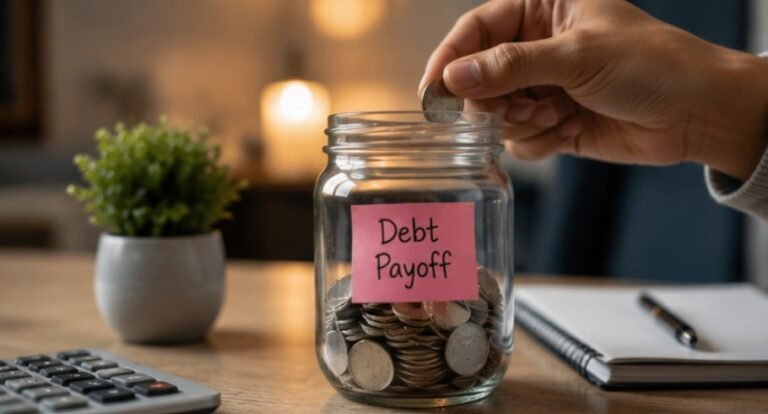
Should I save or pay off debt first?
In many cases, it’s helpful to build a small emergency fund while paying down high-interest debt. Having savings can prevent you from relying on credit cards during unexpected situations.
How can I save money if my budget is already tight?
Start small by automating transfers, reducing a few unnecessary expenses, and directing bonuses or tax refunds into savings. Small, consistent actions usually create better long-term results than drastic cuts.
Why Small Savings Habits Make the Biggest Difference
Building an emergency fund isn’t about finding one perfect strategy. It’s about creating a routine that works with your income, your expenses, and your everyday life. Small deposits made consistently often outperform ambitious savings plans that are difficult to maintain.
The sooner you begin, even with a small amount, the sooner you’ll build financial confidence that’s ready for whatever life throws your way.