






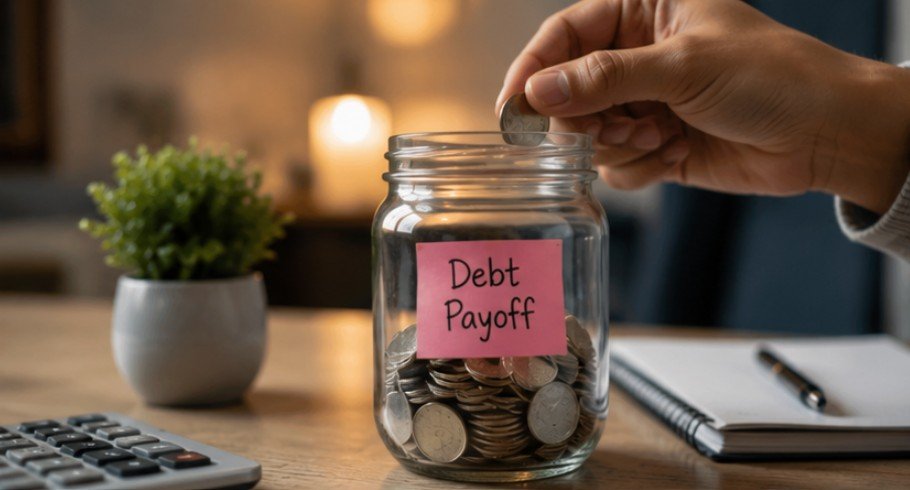
Staring at a mountain of bills while managing a tight paycheck can feel completely overwhelming, but learning how to pay off debt with low income is entirely possible when we have the right strategy. We have all been in situations where unexpected expenses pile up, making it feel like our paychecks disappear before the month even ends. You do not need a six-figure salary to break free from debt; you simply need a clear, compassionate roadmap tailored to real-life budgets.
Having a smaller income means that standard advice like dumping five hundred dollars extra into your accounts every month just is not realistic. Instead, our focus will be on squeezing maximum value out of every single dollar, protecting your mental energy, and taking advantage of relief resources that most mainstream financial blogs completely ignore.
Key Takeaways
- Map every dollar using a realistic zero-based budgeting system.
- Apply debt snowflakes by making micro-payments from small daily savings.
- Lower monthly living costs through local community and government support.
- Negotiate creditor hardship programs to freeze or lower interest rates.
- Choose between debt snowball or avalanche methods for consistent momentum.
Learning How to Pay Off Debt With Low Income Matters
Mastering how to pay off debt with low income turns your tight budget into a lean, mean money machine. When you know how to stretch every dollar, unexpected bills stop scaring you and you regain full control of your life. It is not about suffering; it is about outsmarting your balances and claiming the financial freedom you deserve.
Master Your Money Flow First
Before tackling your balances, you need a clear line of sight into where every dollar goes each month.
Workers with changing paychecks can use the best budgeting method for irregular income to plan essential expenses, set aside debt payments, and avoid overspending during stronger earning months.
Build a Zero-Based Budget
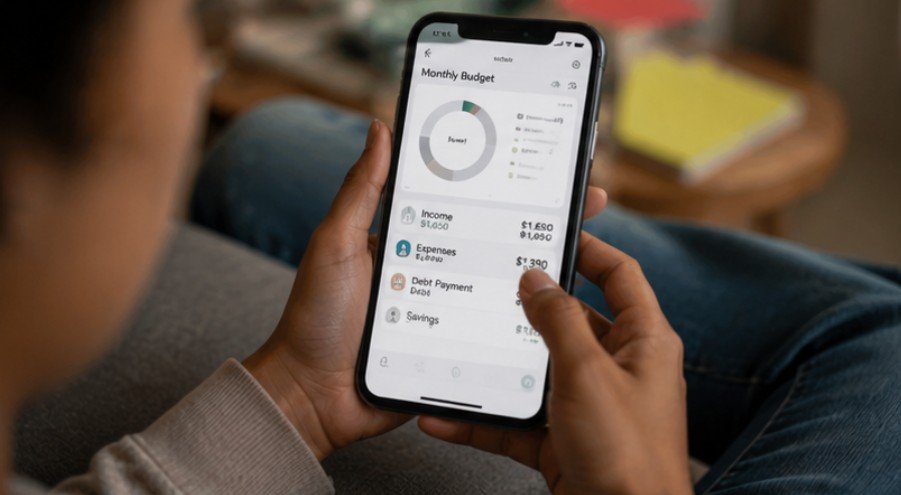
Setting up a zero-based budget gives every dollar a specific job before the month begins.
When income is limited, traditional budgeting methods that leave room for vague cash estimates often fail. A zero-based budget requires you to take your total monthly income and subtract every planned expense, including rent, groceries, utilities, and debt payments, until you reach zero. Assigning every dollar a destination prevents money from slipping away on untracked purchases.
Reviewing how tax brackets work in simple terms can also help you estimate take-home pay more accurately and create a debt repayment budget based on realistic after-tax income.
If you have fifty dollars left over after covering essentials, assign it directly to your target debt account right away so it cannot be spent elsewhere. This prevents impulse spending and keeps your momentum steady throughout the month.
Track Every Micro-Expense
Monitoring daily spending reveals hidden leaks in your budget that can be redirected toward debt.
Small purchases like morning convenience store runs or unused digital subscriptions might seem minor, but they add up quickly on a tight budget. Spend two weeks writing down every single purchase in a notebook or free phone app to identify where your money is actually going.
Once you spot these hidden leaks, you can eliminate them and immediately reallocate those dollars toward your debt balances. Seeing those tiny amounts add up gives you immediate proof that you have more control over your money than you thought.
Separate Your Fixed and Variable Costs

Distinguishing between non-negotiable living expenses and flexible costs creates immediate financial clarity.
Fixed expenses are your mandatory survival costs like housing, transportation, basic utilities, and essential groceries. Variable costs include dining out, entertainment, clothing, and non-essential household items that can be trimmed or temporarily paused.
Prioritizing your essential survival needs first ensures your basic living requirements are secured before allocating remaining funds toward debt repayment. This framework removes panic and gives you a structured way to manage monthly cash flow.
How to Pay Off Debt With Low Income Step-by-Step
Applying targeted repayment strategies helps you systematically eliminate what you owe without burning out.
Secure Basics and Essential Living Costs First
Protecting your fundamental needs ensures your household stays safe and stable while tackling debt.
Before sending an extra penny to credit card companies, cover your necessary living expenses first. This includes keeping a roof over your head, turning on the utilities, buying essential food, and maintaining reliable transportation for work. Lenders can wait, but your family’s basic security cannot be compromised under any circumstances.
Once your basic survival needs are completely secured, you can clearly see how much money remains for debt payments. This approach prevents panic, stops you from falling behind on rent, and keeps your living situation stable while you work your plan.
Contact Creditors for Temporary Hardship Plans
Reaching out directly to lenders unlocks hidden programs that can freeze or reduce your interest rates.
Call your credit card issuers, explain your situation calmly, and ask if they offer formal hardship arrangements. Creditors frequently reduce interest rates, waive late fees, or temporarily lower minimum payments for borrowers who proactively reach out before defaulting on accounts.
Getting your interest rates dropped means a larger portion of your monthly payment goes toward the actual principal balance instead of interest fees. A simple fifteen-minute phone call can save you hundreds of dollars and speed up your payoff timeline.
Apply Structured Repayment Strategies
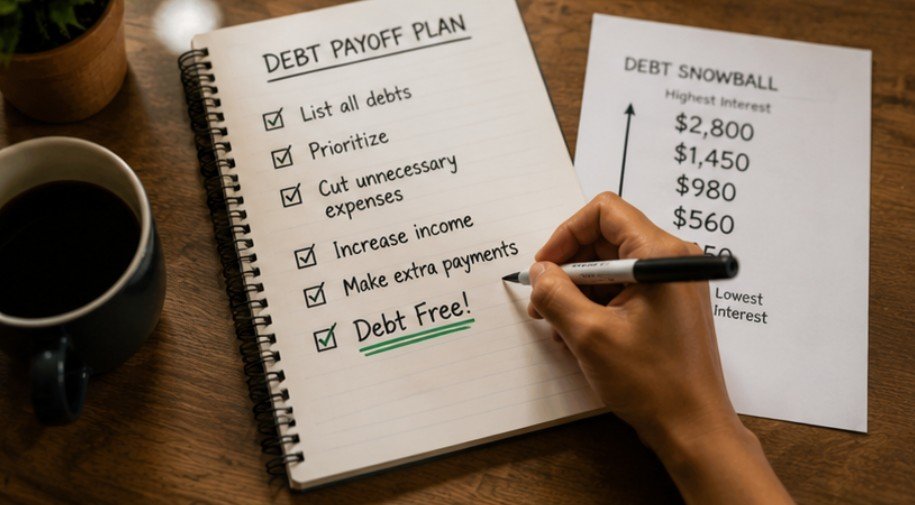
Choosing a formal payoff framework gives you a clear path forward and keeps your motivation high.
The debt snowball method focuses on paying off your smallest balance first while paying minimums on everything else. Knocking out small accounts quickly provides immediate psychological wins that build momentum to tackle larger debts down the road.
Alternatively, the debt avalanche method targets your highest interest debt first to save the maximum amount of interest overall. Pick the strategy that fits your personality best, because consistency and sticking to the plan matter far more than the underlying math.
Seek Free Nonprofit Credit Counseling
Partnering with accredited financial counselors offers tailored support and structured debt management plans.
If managing multiple creditors feels overwhelming, reach out to certified nonprofit agencies such as Money Management International or the NFCC. These accredited agencies review your finances for free and help you explore realistic options designed for limited budgets.
They can enroll you in a formal Debt Management Plan that combines your credit payments into a single lower monthly amount. They also negotiate directly with lenders to lower interest rates, helping you clear debt without taking out risky new loans.
Frequently Asked Questions
1. How to pay off debt on a low income?
Learning how to pay off debt on a low income starts with securing essential living expenses first. Next, contact creditors for hardship programs, use zero-based budgeting, and choose a structured strategy like the snowball or avalanche method to systematically clear your balances.
2. How do I pay off debt if I live paycheck to paycheck?
Build a mini emergency fund of three hundred dollars first to avoid new credit card charges. Track all spending to catch minor leaks, utilize local food pantries or utility assistance, and throw any small leftover savings toward your smallest debt balance.
3. How can I pay $10,000 debt in 6 months?
Clearing ten thousand dollars in six months requires generating roughly seventeen hundred dollars monthly toward debt. Combine aggressive cost-cutting with temporary side income, sell unused household items, and contact lenders directly to negotiate reduced payoff settlements on past-due accounts.
4. How to clear $30,000 debt in a year?
Clearing thirty thousand dollars in twelve months requires major changes in income and expenses. Consider enrolling in a nonprofit Debt Management Plan, working temporary secondary jobs, selling major assets, or utilizing zero-percent balance transfer cards if your credit score allows.
High Five, You Are Ready to Conquer Your Debt!
Learning how to pay off debt with low income is about building consistent, powerful money habits that protect your peace. By securing your basics, negotiating with lenders, using structured payoff plans, and partnering with free counselors, you can break the cycle of debt for good. Take a deep breath, pick your first action step today, and start building the secure financial future you deserve.