









A missing tax form can turn a five-minute task into an hour-long search. Learning how to organize personal financial documents at home gives every statement, policy, receipt, and legal record a clear place.
I recommend following one rule before buying folders: build a system you can maintain in 15 minutes each month. A complicated archive may look impressive, but it usually collapses when unopened mail begins arriving.
Start With a Simple Document Retention Plan

The first step in how to organize personal financial documents at home is deciding what deserves space. A practical system for how to organize personal financial documents at home starts with clear retention categories.
Keeping everything creates clutter. Destroying papers too early can remove evidence needed for taxes, warranties, insurance claims, or ownership disputes.
Keep Irreplaceable Records Permanently
I recommend long-term storage for original birth certificates, Social Security cards, marriage records, wills, trusts, property deeds, vehicle titles, and powers of attorney. Keep current insurance and estate documents until they are replaced or no longer apply.
FEMA’s Emergency Financial First Aid Kit helps households identify important financial, medical, insurance, and household information before an emergency. It also provides document checklists and preparation forms.
Do not place permanent originals in the same folder as routine bills. Essential identity and legal records need a more secure storage location.
Apply the Correct Tax-Record Timeline
Do not treat every tax document as an automatic seven-year file. The IRS generally advises taxpayers to keep supporting records for three years.
Certain situations require longer periods. Records may need six-year, seven-year, or indefinite retention. Property records may also need to remain available until the relevant limitation period expires after disposal.
Create one folder for each tax year. Include:
- Your filed federal and state returns
- W-2 and 1099 forms
- Deductible expense records
- Charitable contribution receipts
- Investment tax forms
- Business or self-employment documents
- Property purchase and improvement records
Mark the earliest review year on each folder. Before destroying anything, confirm that a lender, insurer, state agency, or legal matter does not require longer retention.
Clear Temporary Paperwork Quickly
The FTC recommends keeping many bank statements, pay stubs, undisputed medical bills, credit card bills, and utility bills for about one year. Electronic access may allow you to destroy paper copies sooner.
Keep a receipt longer when it supports a tax deduction, insurance claim, warranty, reimbursement, or valuable purchase. A refrigerator receipt may matter for years. A grocery receipt often does not matter after you verify the charge.
Review temporary documents instead of allowing them to age inside an overcrowded drawer.
Build a Secure Physical Filing System
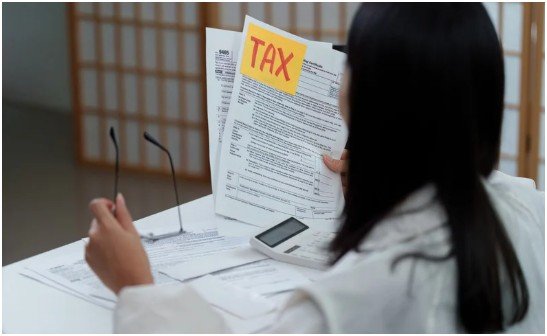
A strong plan for how to organize personal financial documents at home separates irreplaceable originals from active household paperwork.
Protect Originals From Fire, Water, and Theft
Place essential originals inside a locked, fire-resistant, and water-resistant home safe. Store the safe somewhere accessible to authorized household members but hidden from casual visitors.
Create a secure index listing each important document and its location. The index might say “property deed—home safe,” but it should not display complete account numbers, passwords, or Social Security numbers.
Tell one trusted person how to access essential documents during an emergency. Avoid giving unrestricted access to every financial file.
Create Clear Household Categories
Use a filing drawer, cabinet, or sturdy accordion organizer. Choose broad labels based on how you naturally search for paperwork:
- Income and taxes
- Banking and loans
- Insurance
- Investments and retirement
- Housing and property
- Utilities and household bills
- Medical and benefits
- Legal and identity records
Within each category, arrange documents by account, provider, or year. For example, the insurance section could contain separate folders for auto, home, health, and life insurance.
Manage annual household bills each month as your internal planning resource for connecting yearly payments with their supporting documents.
Color coding can improve visual scanning, but clear labels matter more than decorative supplies. Every household member should understand what each category contains.
Control Incoming Paperwork
Place every new financial document in one “To Process” tray. Do not create separate piles on a desk, kitchen counter, nightstand, and dining table.
Empty the tray on a fixed monthly date. File useful records, scan documents needing digital access, schedule payments, and destroy approved waste.
The FTC advises keeping documents containing personal information secure and shredding them before disposal.
Use a cross-cut shredder for statements, expired cards, credit offers, and documents displaying account or identity information.
Create a Matching Digital Document System
Digital storage makes how to organize personal financial documents at home more resilient. The digital side of how to organize personal financial documents at home should copy the paper system exactly.
Matching systems eliminate the need to remember two different organizational structures.
Mirror the Physical Folder Structure
Create numbered master folders such as:
01_Income_and_Taxes
02_Banking_and_Loans
03_Insurance
04_Investments_and_Retirement
05_Housing_and_Household
06_Medical_and_Benefits
07_Legal_and_Identity
Add subfolders by year, account, or provider. Numbering keeps the folders in a predictable order instead of arranging them alphabetically.
Do not create unnecessary layers. Reaching a bank statement should not require opening six folders.
Use Searchable File Names
Name each file with its date, document type, and issuer:
2026-07-28_CreditCardStatement_Chase.pdf
Dates written as YYYY-MM-DD sort automatically. They also make older and newer versions easy to identify.
Avoid vague names such as scan001, statement-new, or document-final. Search tools cannot help when file names reveal nothing.
Check every scan before destroying the paper copy. Confirm that the file opens, all pages appear, and small print remains readable.
Protect Backups and Account Access
Use a strong, unique password for cloud storage and enable multifactor authentication. CISA explains that MFA adds another identity check and can significantly reduce the risk of account compromise.
CISA also recommends protecting cloud data through encryption and backups stored in more than one location.
Keep one encrypted backup separate from your primary computer or cloud account. An external drive can serve this purpose, but it should not remain permanently connected.
Test several backup files twice each year. A backup that cannot be opened is only a comforting illusion.
Use the Mirror-and-Month-End Routine

My practical method for how to organize personal financial documents at home combines matching folders with a short, repeatable review.
Complete a 15-Minute Monthly Reset
At the end of each month, empty the processing tray. Confirm bills were paid, compare receipts with statements, rename scans, file permanent records, and shred approved waste.
Review upcoming annual expenses during the same session. These may include:
- Insurance renewals
- Property taxes
- Vehicle registration
- Membership fees
- Professional licenses
- Annual subscriptions
- School or childcare costs
Annual expenses become easier to manage when their due dates and supporting documents stay together.
Set a recurring calendar reminder. The system works because the review happens consistently, not because the folders look perfect.
Run the 60-Second Retrieval Test
Once each quarter, select one tax form, one insurance policy, and one bank statement. Try to find each document within 60 seconds.
A failed test usually reveals one of three problems: an unclear label, a duplicate file, or a system another household member cannot follow.
Correct that friction immediately. Rename the folder, remove the duplicate, or update the index.
This original test measures practical access rather than tidy-looking storage. Financial organization succeeds when you can retrieve a document under pressure.
Common Financial Filing Mistakes to Avoid
When learning how to organize personal financial documents at home, avoid creating one folder labeled “important.” It quickly becomes another unsorted pile.
Do not mix permanent originals with routine statements. Do not scan documents without checking names, dates, account references, and page counts.
Avoid saving the same file in several places. Duplicates create uncertainty when policies, account details, or beneficiary information change.
Do not share unrestricted cloud folders with relatives. Give a trusted person clear emergency instructions, but limit access to sensitive records.
Most importantly, do not design for perfection. Design for repeatable monthly upkeep.
Frequently Asked Questions
1. What is the best way to organize financial documents at home?
The best approach to how to organize personal financial documents at home combines secure original storage, labeled files, matching digital folders, and monthly maintenance.
2. How long should I keep personal financial documents?
Keep permanent legal records indefinitely, routine statements for about one year, and tax records for the IRS retention period applying to your situation.
3. Should I keep paper copies of bank statements?
Keep paper statements when needed for taxes, disputes, loans, or personal preference; secure electronic access can replace many routine copies.
4. How should couples organize shared financial paperwork?
Use shared household categories, separate personal subfolders when necessary, and one secure index showing where important records are stored.
Your Paper Piles Have Met Their Match
Knowing how to organize personal financial documents at home is less about buying a stylish cabinet and more about retrieving the correct record quickly.
Start with one category today. Sort each item into four groups: keep, scan, act, or shred. Create its matching digital folder before tackling another category.
Your future self does not need a perfect archive. Your future self needs the right document before the coffee gets cold.