





Knowing how to protect your debit card from skimming at gas pumps is essential to paying safely at the pump. Gas stations are convenient, but unattended card readers can allow criminals to install skimming devices that steal card information.
Whenever I stop for fuel, I take a few seconds to inspect the payment terminal before inserting or tapping my card. That small habit can reduce the risk of debit card fraud, unauthorized withdrawals, and the temporary loss of access to money in a checking account.
The safest approach combines careful pump inspection, secure payment technology, transaction alerts, and quick action when something seems suspicious.
Why Are Debit Cards Vulnerable to Gas Pump Skimming?
A card skimmer is a device criminals use to capture information from a card’s magnetic stripe. Some skimmers attach to the outside of the card reader, while others sit inside the fuel pump where customers cannot easily see them.
Criminals may also install fake keypads or hidden cameras to record a debit card PIN. Once they collect both the card information and PIN, they may create a counterfeit card or attempt unauthorized ATM withdrawals.
Debit card fraud can feel more disruptive than credit card fraud because a debit transaction draws money directly from a checking account. Although federal protections may apply, reporting suspicious activity quickly remains important. Waiting too long can complicate the dispute process and leave funds unavailable while the bank investigates.
How Do Gas Pump Skimmers Steal Card Information?
Gas pump skimming devices come in several forms. Understanding them makes it easier to recognize potential warning signs.
External Card Reader Skimmers
An external skimmer fits over the pump’s original card slot. It may look almost identical to the legitimate reader, but it can feel loose, bulky, crooked, or poorly attached.
When a customer swipes a card, the device captures information from the magnetic stripe. Some criminals later retrieve the device, while others transmit stolen data wirelessly.
Internal Gas Pump Skimmers
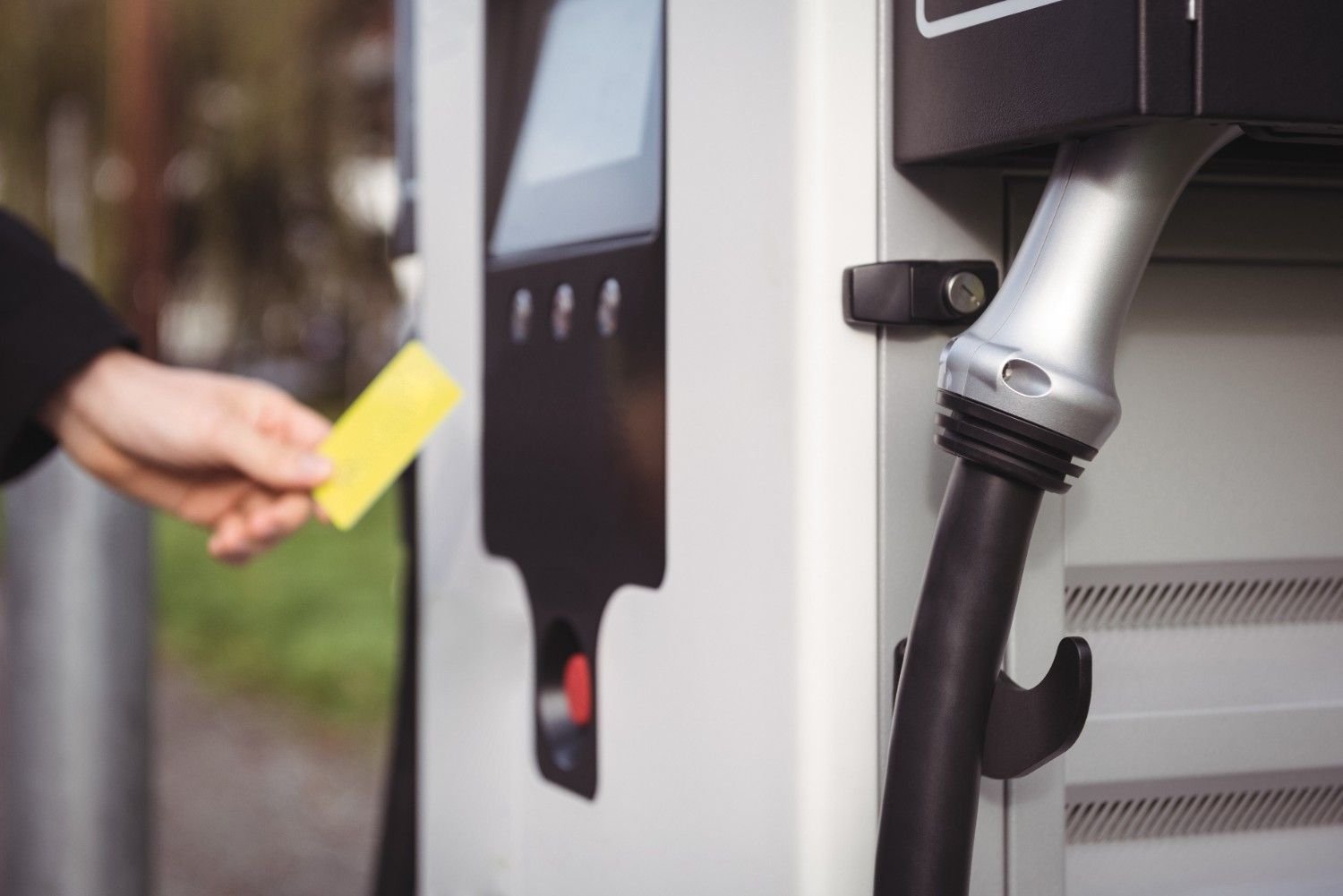
Internal skimmers are installed behind the pump’s access panel. Because they remain hidden inside the machine, tugging on the reader may not reveal them.
This is why choosing a well-maintained gas station and using a pump close to the attendant can matter. Employees are more likely to notice unusual activity around highly visible pumps.
Keypad Overlays and Hidden Cameras
A keypad overlay sits on top of the real keypad and records the numbers a customer enters. A tiny hidden camera may also be positioned above or beside the payment terminal to capture a PIN.
Covering the keypad with your other hand helps protect your PIN from cameras and people standing nearby.
Card Shimmers
A shimmer is a thin device placed inside a chip reader. Unlike a traditional skimmer, it may target information exchanged when a customer inserts an EMV chip card.
Chip technology generally provides stronger protection than magnetic-stripe transactions, but no payment method eliminates every type of fraud. Contactless payments and mobile wallets can offer an additional layer of security because they avoid directly exposing the card’s magnetic-stripe data.
How Can You Spot a Card Skimmer at a Gas Pump?
Before paying, I recommend completing a quick visual and physical inspection. It only takes a few seconds.
Start by looking at the card reader, keypad, security seal, and pump cabinet. Compare them with the same parts on the neighboring pump. Criminals often install a device on one reader rather than modifying every pump at the station.
Gently pull or wiggle the card slot. A legitimate reader should normally feel firmly attached. Check whether the keypad feels unusually thick, raised, loose, or difficult to press.
Look for mismatched colors, damaged screws, adhesive residue, gaps around the reader, or parts that appear newer than the rest of the pump. A broken security seal, an opened access panel, or a label displaying a warning such as “void” can indicate tampering.
Visual inspection cannot detect every internal skimmer. When anything looks unusual, move to another pump or pay inside instead of taking the risk.
What Is the Safest Way to Pay at a Gas Station?
The safest available payment option depends on the station’s technology. I generally choose contactless payment whenever possible.
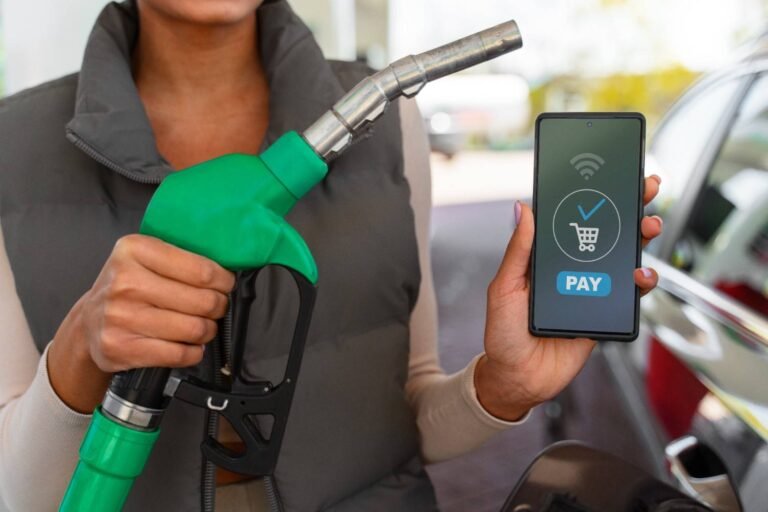
Use a Mobile Wallet or Gas Station App
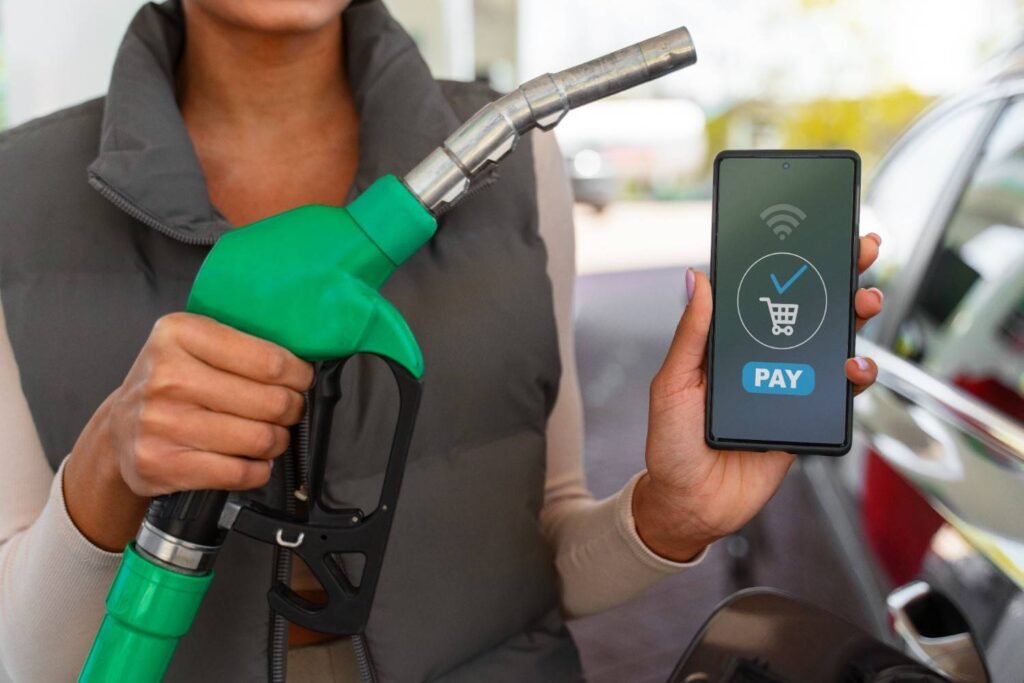
Mobile wallets such as Apple Pay and Google Pay use tokenization, which replaces the actual card number with a temporary digital identifier during a transaction. This makes the payment information less useful to a criminal who intercepts it.
Many major gas station chains also offer mobile apps that let customers activate the pump and pay without inserting a physical card.
Choose Tap-to-Pay
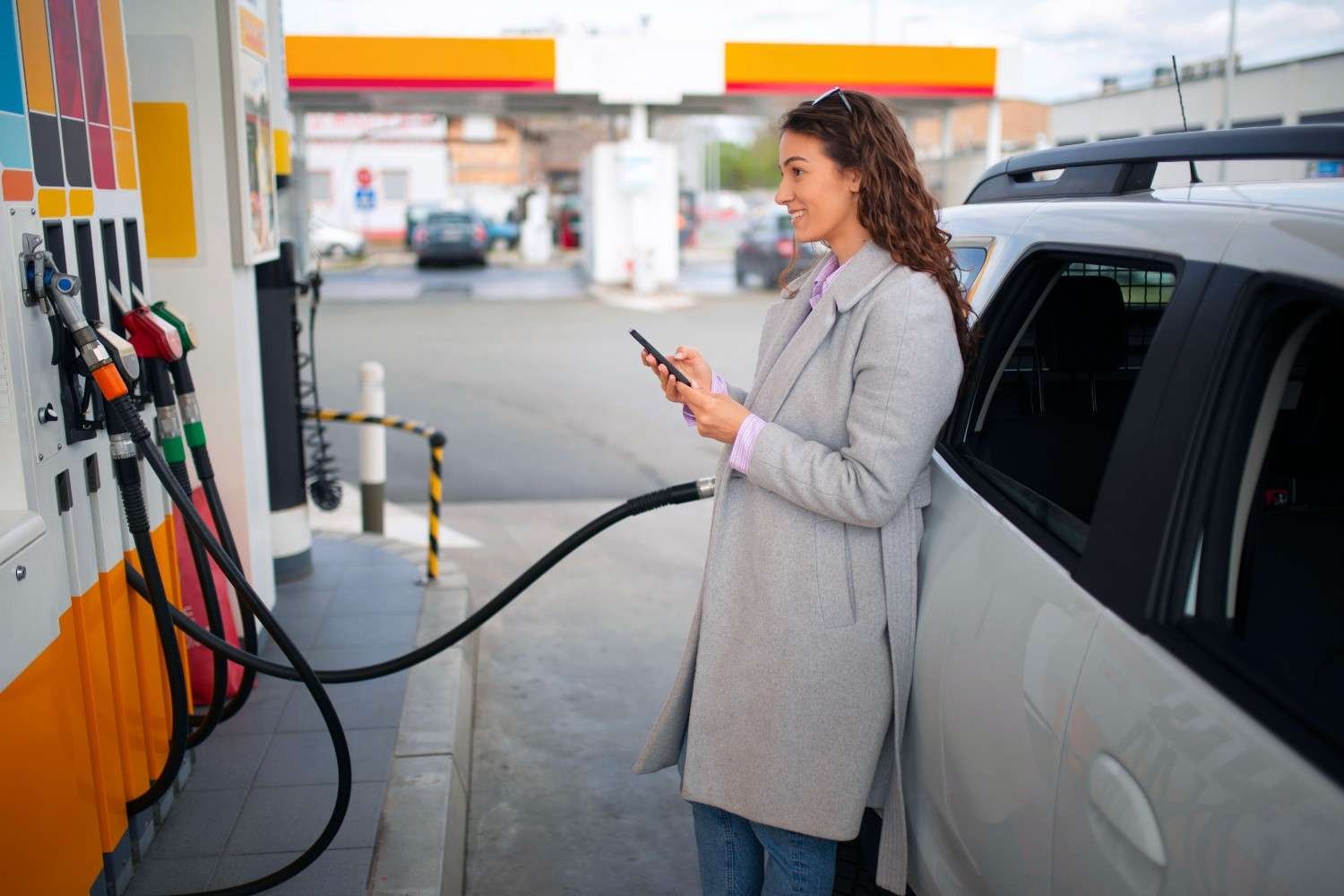
A contactless debit card lets you tap the terminal instead of swiping the magnetic stripe. Tap-to-pay transactions use encrypted, transaction-specific information, making them generally safer than traditional swipe payments.
Look for the contactless payment symbol on the pump. If the terminal appears damaged or behaves strangely, pay inside.
Pay Inside the Gas Station
Paying at the cashier can reduce exposure to an unattended outdoor reader. Indoor payment terminals are usually easier for employees to monitor.
Paying inside may be the best choice at an unfamiliar station, late at night, or when the pump is poorly lit or located far from the building.
Run the Debit Card as Credit
When a pump gives you the choice between debit and credit, selecting credit usually lets you complete the transaction without entering your PIN. The money still comes from your checking account because the card remains a debit card.
Running debit as credit does not prevent the card number from being stolen, but it can help protect the PIN from keypad overlays and hidden cameras.
How Do You Reduce Debit Card Fraud at the Pump?
Choose pumps near the store entrance, cashier window, or security cameras. Criminals are more likely to target pumps that are difficult for employees to observe.
Avoid using a reader when the pump looks damaged, the security seal appears broken, or the card slot feels loose. Never ignore a warning simply because you are in a hurry.
Enable instant transaction alerts through your bank’s mobile app. I find alerts especially useful because they notify me whenever my card is used, sometimes within seconds of the transaction.
Review your bank account regularly rather than waiting for a monthly statement. Small unauthorized charges may appear before larger withdrawals because criminals sometimes test stolen card information first.
You can also set withdrawal and purchase limits when your bank offers those controls. Some banking apps allow customers to lock and unlock a debit card instantly, which can provide quick protection when the card is lost or compromised.
What Should You Do if Your Debit Card Was Skimmed?
Act quickly when you notice an unfamiliar purchase, ATM withdrawal, or account notification.
First, lock the debit card through the bank’s app if that feature is available. Then contact the bank using the number printed on the back of the card or listed on its official website. Explain that you suspect card skimming and identify every unauthorized transaction.
Ask the bank to cancel the compromised card, issue a replacement, and change the associated PIN. Review pending transactions and recent account activity for additional fraud.
Report the suspicious pump to the gas station manager. You can also notify local law enforcement or the appropriate state consumer-protection agency when there is visible evidence of tampering.
Continue monitoring the account after receiving the replacement card. Criminals may not use stolen information immediately.
Can a Gas Station Authorization Hold Look Like Fraud?
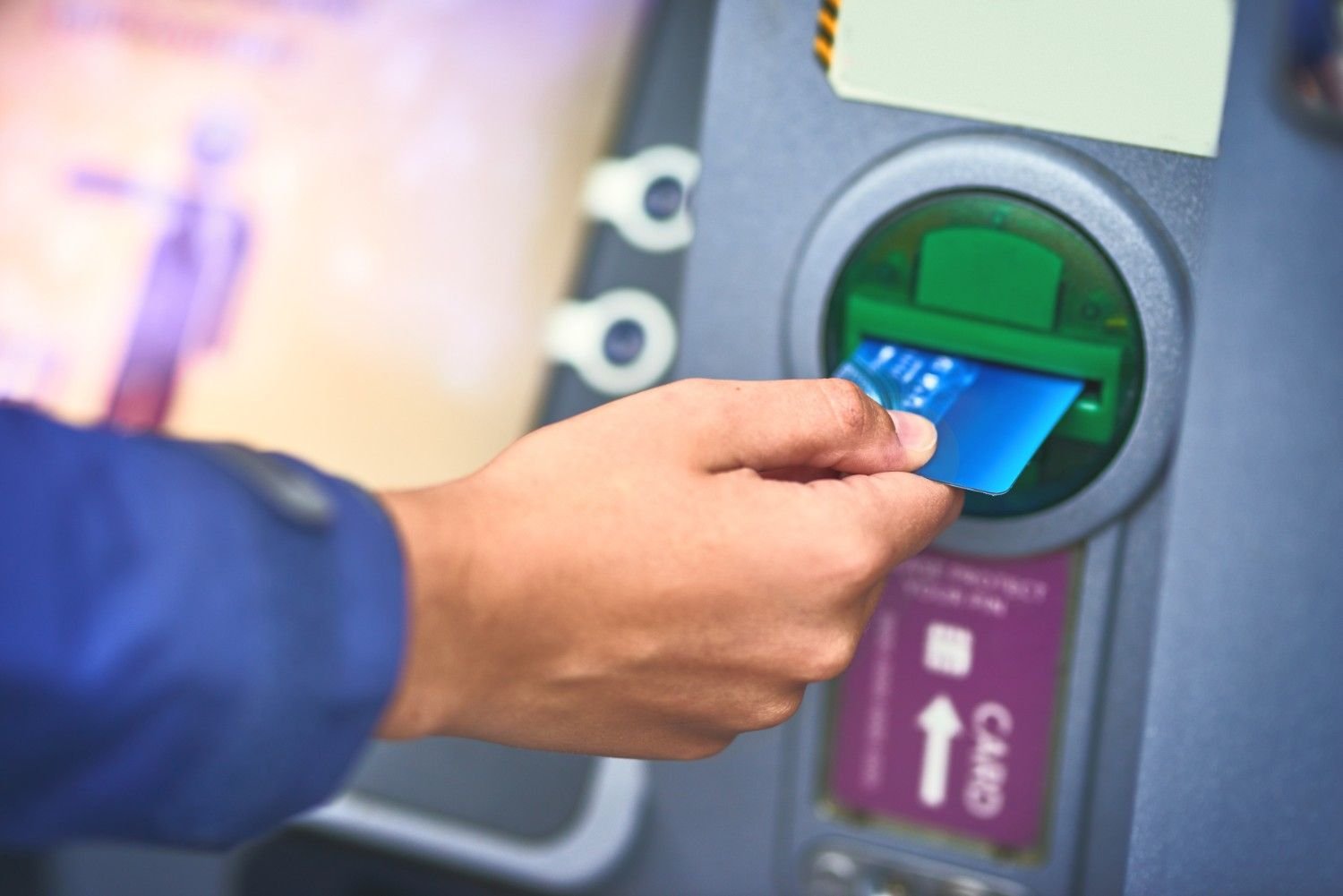
Gas stations sometimes place a temporary authorization hold on a debit card before the final fuel amount is known. The hold may be higher than the actual purchase and can temporarily reduce the available account balance.
Understanding authorization holds is one of the basics of personal finance, because pending charges can affect how much money appears available for other purchases. The station later replaces the hold with the final transaction amount, although the timing depends on the merchant and bank.
An authorization hold usually appears as pending and matches the gas station where you purchased fuel. A transaction from an unfamiliar merchant, an unexpected ATM withdrawal, or multiple unexplained charges deserves immediate attention.
Frequently Asked Questions (FAQs)
1. Can a chip debit card be skimmed at a gas pump?
A chip card offers better protection than a magnetic-stripe swipe because it creates unique transaction data. However, criminals may still target the magnetic stripe, install an internal shimmer, steal the physical card, or record a PIN. Contactless payment can further reduce exposure.
2. Is tap-to-pay safer than inserting a debit card?
Tap-to-pay is generally safer because it uses encrypted, transaction-specific data and does not require the card to enter a potentially compromised reader. Customers should still check the terminal and monitor account activity.
3. Should I use a debit card or credit card for gas?
A credit card may provide stronger fraud protection and does not immediately remove money from a checking account. When using a debit card, choose contactless payment, avoid entering the PIN, enable alerts, and inspect the pump before paying.
4. How quickly do criminals use skimmed debit card information?
Criminals may use stolen information immediately or wait days or weeks. Some begin with a small test transaction before attempting larger purchases or withdrawals. Regular account monitoring helps identify fraud early.
Staying Safe Every Time You Fill Up
Learning how to protect your debit card from skimming at gas pumps does not require complicated technology or a long inspection. I rely on a simple routine: choose a visible pump, check the security seal, examine the reader, use contactless payment, cover the keypad, and monitor my account afterward.
No single precaution can stop every form of payment fraud. However, combining secure payment methods with careful observation and instant transaction alerts can greatly reduce the risk. When a pump looks suspicious, trust your instincts and use another payment terminal or pay inside.