








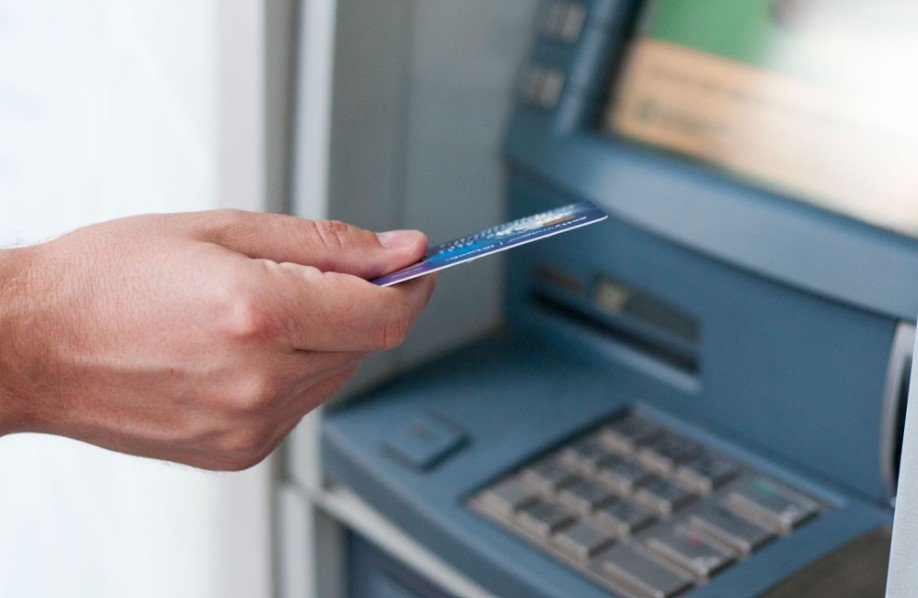
Few banking problems feel as alarming as watching an ATM swallow your card instead of returning it. I know my first instinct would be to press every button, restart the transaction, or look for someone nearby who could help. However, acting calmly and protecting the account should come before trying to recover the physical card.
Knowing what to do if an ATM keeps your debit card can reduce the risk of unauthorized withdrawals, prevent unnecessary delays, and help you regain access to your money. Treat the retained card as missing until your bank confirms that it can safely return it.
What Should You Do Immediately When an ATM Keeps Your Card?
Do not walk away as soon as the ATM fails to return your debit card. Some machines experience temporary delays, while others retain cards because of security warnings, technical errors, or repeated incorrect PIN entries.
Take these immediate steps:
- Wait briefly and read every message on the ATM screen.
- Do not enter your PIN again unless the machine clearly restarts the transaction.
- Record the ATM’s location, identification number, operator, and time.
- Lock or freeze the debit card through your banking app.
- Contact your bank or credit union using an official phone number.
- Check the account for pending or unauthorized transactions.
- Request a replacement if the card cannot be recovered promptly.
Avoid using a phone number printed on an unofficial sticker near the ATM. Scammers sometimes place fake support information on machines to collect card numbers, PINs, or online banking credentials. Use the bank’s official mobile app, website, account statement, or a verified number you previously saved.
Should You Wait for the ATM to Return Your Debit Card?

Give the machine a short opportunity to complete or cancel the transaction, particularly if the screen still shows that it is processing. Do not remain for an extended period if the ATM has ended the session or displays an error message.
Never attempt to pry the card slot open, insert another object, or shake the machine. These actions could damage the ATM, put you at risk, or make the situation look suspicious.
If the ATM is inside or attached to an open bank branch, speak to an employee immediately. Bring a government-issued photo ID and any account information the branch requests. Branch staff may be able to contact the ATM servicing team, but they may not have permission to open the machine or return the card.
Can the Bank Get a Retained Card Back From an ATM?
Whether you can recover an ATM-retained debit card depends on who owns the machine, where it is located, and why it captured the card.
Your own bank may have a process for recovering cards from an ATM at one of its staffed branches. However, an out-of-network ATM operator may send retained cards for destruction rather than return them. The Office of the Comptroller of the Currency explains that banks can destroy captured ATM or debit cards in some circumstances for security reasons and advises customers to contact their bank for a replacement.
Do not leave the card active while waiting for a possible recovery. Freeze it immediately. If your bank later confirms that the card is safe to use, you can ask whether it should be unlocked. If the bank cannot guarantee recovery, cancel the card and order a new one.
Why Did the ATM Swallow My Debit Card?
An ATM may retain a card for several reasons. Understanding the likely cause can help you explain the incident clearly when speaking with the bank.
Did You Enter the Wrong PIN Too Many Times?
Repeated incorrect PIN attempts may trigger the bank’s security controls. The ATM might retain or block the debit card because the system suspects unauthorized use.
Contact the card issuer instead of attempting another transaction. The bank may verify your identity, reset the PIN, unblock the account, or replace the card.
Is the Debit Card Expired, Damaged, or Blocked?
The machine may reject or retain a card with an expired date, damaged chip, warped surface, or security restriction. Banks may also block cards after detecting unusual account activity.
Even when you recognize the reason, contact the issuer before trying another ATM.
Did the ATM Time Out During the Transaction?
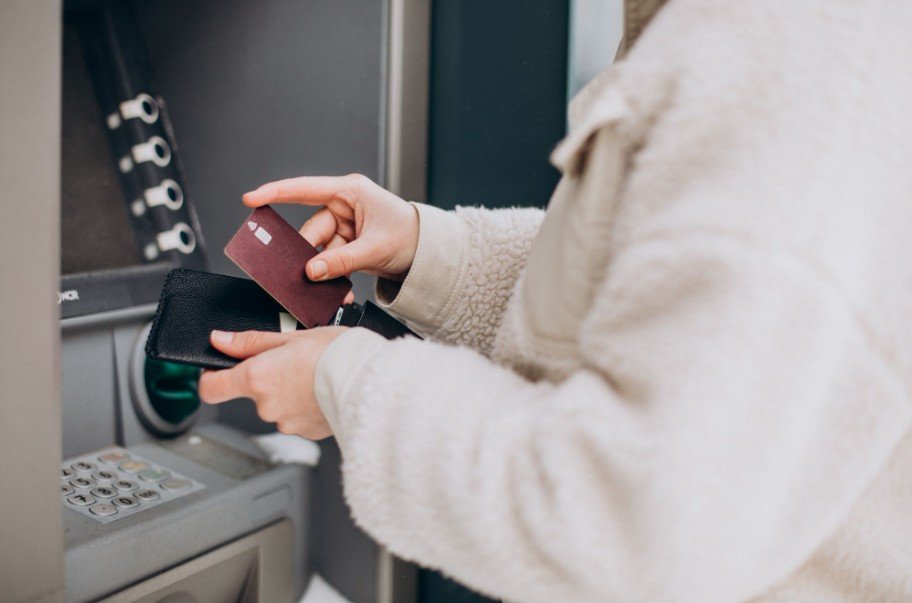
Some ATMs retrieve a card when the customer does not remove it within the machine’s time limit. A network interruption, software problem, power issue, or mechanical fault may also cause the ATM to keep a card unexpectedly.
Write down any error code displayed on the screen. This information can help the ATM operator identify the failed transaction.
What If the ATM Kept My Card and Charged My Account?
Check your mobile banking app immediately. A withdrawal may appear as pending even though the ATM did not dispense cash. Do not repeat the withdrawal until you understand whether the first transaction went through.
Save the receipt, take a photo of the ATM identification information, and record the requested withdrawal amount. Then contact your bank and report an ATM cash withdrawal error.
If the same withdrawal appears twice or you notice two identical transactions, learning how to dispute a duplicate charge on a debit card can help you document the error and request the return of the duplicated amount.
Explain whether:
- The account was charged but no cash came out
- The ATM dispensed only part of the requested amount
- Cash came out, but the machine retained the card
- You see a withdrawal that you did not authorize
Banks investigate electronic fund transfer errors under federal rules. Depending on the circumstances, an investigation may take time, so keep copies of your claim number, messages, receipts, and transaction records.
Should You Cancel a Debit Card That an ATM Kept?
Freezing the card should be your first move because it can stop new card transactions while you contact the issuer. Cancellation is usually appropriate when the card cannot be recovered quickly, the ATM belongs to another operator, or you notice suspicious activity.
Report the retained card promptly rather than assuming it is secure inside the machine. Federal consumer protections for unauthorized debit card transactions can depend on how quickly you notify the financial institution. The CFPB, FTC, FDIC, and OCC all advise consumers to report a lost or stolen debit card as soon as possible.
Ask the bank whether canceling the card will affect automatic payments connected to it.
Reviewing whether to use a debit or credit card for paying utility bills can help you choose a payment method that offers convenient recurring payments without putting essential bills at risk when a debit card is lost, blocked, or replaced.
You may need to update subscriptions, utility accounts, digital wallets, and other services after receiving the replacement card.
How Can You Spot an ATM Card-Trapping Scam?
A card-trapping scam happens when a criminal interferes with the card slot so the card appears stuck. The scammer may wait nearby, offer assistance, watch you enter the PIN, or direct you to a fake customer-service number.
Be suspicious when:
- The card slot looks loose, bulky, damaged, or different from the rest of the ATM
- A stranger tells you to enter your PIN again
- Someone asks for your card number, banking password, or security code
- An unofficial sticker provides a “support” number
- The ATM screen or keypad appears altered
Do not accept help from strangers or disclose your PIN. If the surroundings feel unsafe, leave the location, lock the card in a secure place, and contact the bank. The FTC warns that skimming equipment can capture information from a debit card’s magnetic stripe, which is another reason to inspect an ATM before using it.
How Can You Access Money While Waiting for a Replacement Card?
Losing access to the physical debit card does not always mean losing access to the checking account. Ask your financial institution which temporary options it supports.
You may be able to withdraw cash at a staffed branch with identification, use a cardless ATM through the banking app, add a replacement or virtual card to a mobile wallet, or transfer money to another account you own. Some banks also offer instant debit-card replacement at selected branches.
Availability varies by institution, so confirm the process directly with your bank before traveling to a branch or another ATM.
How Can You Prevent an ATM From Keeping Your Card Again?
Use ATMs located at staffed bank branches whenever possible, especially when traveling or withdrawing a large amount. Examine the card slot and keypad before inserting the card, and cancel the transaction when anything looks loose or unusual.
Keep your debit card current, memorize the PIN, and protect the keypad while entering it. Enable transaction alerts, so you receive an immediate notification whenever someone uses the card or withdraws money.
Contactless or cardless ATM access can also reduce the need to insert a physical card, although the feature is not available at every machine or financial institution.
Frequently Asked Questions
1. How long will an ATM keep a debit card?
The machine may keep the card inside until an authorized technician or bank employee services it. The exact schedule varies by operator. Contact the card issuer immediately instead of waiting for the ATM to be opened.
2. Can bank employees open an ATM and return my card?
Some employees at staffed branches may help arrange recovery, but many do not have direct access to the ATM. Security policies may also require the bank or ATM operator to destroy the retained card rather than return it.
3. Should I freeze or cancel a card swallowed by an ATM?
Freeze the debit card immediately while you contact the issuer. Cancel it when the bank cannot recover it promptly, the machine belongs to another operator, or you notice unauthorized activity.
4. What should I do if an ATM keeps my debit card while traveling?
Lock the card, contact your bank through a verified international support number, and ask about emergency cash, cardless withdrawals, virtual card access, or expedited replacement. Avoid relying on an unfamiliar ATM operator to return the original card.
Final Thoughts
When I consider what to do if an ATM keeps your debit card, the most important lesson is to protect the account before worrying about the plastic card itself. I would document the machine, freeze the card, contact the issuer, and review every recent transaction.
A retained card may result from a simple ATM malfunction, but it can also create an opportunity for fraud. Prompt action gives your bank more time to secure the account, investigate transaction errors, and arrange a safe replacement.