







Saving money sounds simple until real life gets in the way. Bills arrive unexpectedly, small purchases pile up, and somehow the money you planned to save disappears before the month ends. Most people don’t struggle because they lack financial knowledge; they struggle because saving often feels like something they’ll do “later.”
The good news is that reaching your financial goals rarely requires a complete lifestyle overhaul. The biggest difference usually comes from a handful of consistent habits that quietly build momentum over time.
If you’ve been wondering how to reach your savings goals faster, the answer isn’t earning more overnight. It’s making smarter decisions with the money you already have and creating systems that work even when life gets busy.
Why Better Habits Matter More Than Bigger Paychecks
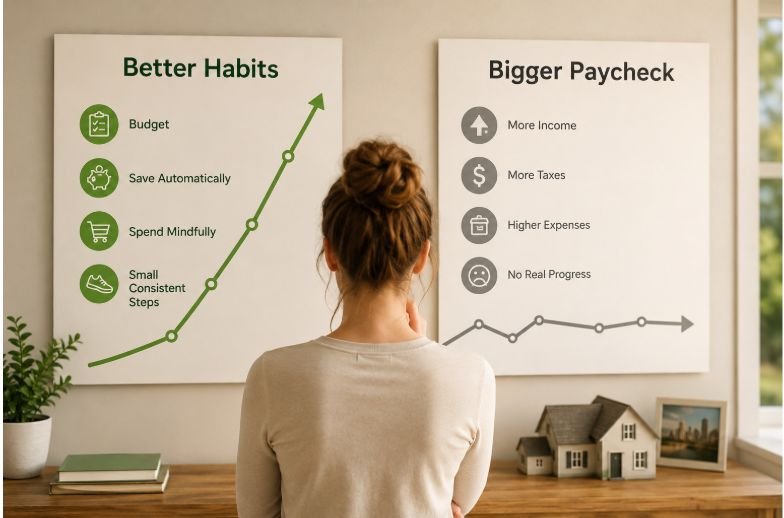
Many people believe they’ll start saving once they earn more money. While a higher income certainly helps, it doesn’t automatically lead to financial security. Lifestyle inflation often follows every raise, leaving savings accounts unchanged despite larger paychecks.
That’s why successful savers focus on behavior first. Small, repeatable habits create consistency, and consistency is what turns financial goals into reality. Whether you’re building an emergency fund, saving for a home, or planning your next vacation, sustainable habits almost always outperform aggressive budgeting that lasts only a few weeks.
Pay Yourself Before You Pay Anyone Else
One of the most effective personal finance tips is surprisingly simple: save first, spend second.
Instead of waiting until the end of the month to see what’s left, transfer part of your paycheck into savings as soon as you’re paid. This “pay yourself first” strategy removes temptation because the money never becomes part of your spending budget.
Even a modest automatic transfer grows over time thanks to consistent contributions and compound interest. The amount matters less than making it a permanent habit.
Let Automation Do the Hard Work

Saving shouldn’t rely on motivation every payday.
Most banks allow you to schedule automatic transfers into a savings account or emergency fund. Once it’s set up, your savings continue growing without requiring monthly decisions.
Automation also reduces the temptation to spend extra cash sitting in your checking account. Instead of wondering whether you can afford another purchase, your savings plan keeps moving forward quietly in the background.
Track Small Expenses Before They Become Big Ones
Most budgets aren’t ruined by one expensive purchase. They’re slowly weakened by dozens of small expenses that barely seem noticeable.
Daily coffee runs, food delivery fees, subscription renewals, and impulse purchases can quietly consume hundreds of dollars each month. Reviewing your banking app or expense tracker for just a few minutes each week helps identify spending patterns that deserve attention.
The goal isn’t eliminating every treat. It’s making sure your spending matches what you actually value.
Give Yourself Time Before Buying

Impulse spending is one of the biggest obstacles to reaching financial goals.
A simple 24-hour rule can make a surprising difference. Whenever you’re tempted to buy something that isn’t essential, wait one full day before completing the purchase.
In many cases, the excitement fades, and you realize you don’t actually need the item. For larger purchases, extending that waiting period to several days often leads to even better financial decisions.
Save Every Raise Instead of Expanding Your Lifestyle
Getting a raise feels rewarding, but it also creates a hidden risk.
Many people naturally increase their spending after earning more money. They upgrade subscriptions, eat out more often, or finance larger purchases because they feel financially comfortable.
Instead, consider directing part of every salary increase straight into savings or retirement investments. Since you were already living on your previous income, saving the difference feels much easier than cutting expenses later.
Avoiding lifestyle inflation is one of the fastest ways to accelerate long-term savings goals.
Choose Savings Accounts That Help Your Money Grow
Where you keep your savings matters almost as much as how much you save.
Accounts offering competitive interest rates allow your money to grow while remaining accessible for planned goals or emergencies. Taking time to compare account features, fees, and interest earnings can significantly improve long-term results.
If you’re researching ways to maximize returns, our high-yield savings account tips explain what to compare before opening a new account and how different account features can support your financial goals.
Review Your Subscriptions Regularly

Subscription services make life convenient, but they’re also easy to forget.
Every few months, review recurring charges for streaming platforms, apps, memberships, and digital services. Cancel anything you rarely use or replace overlapping subscriptions with one that better fits your needs.
Small monthly savings may seem insignificant, but over an entire year they often become meaningful contributions toward larger financial goals.
Celebrate Progress Instead of Chasing Perfection
Saving money isn’t about having a perfect month. Unexpected expenses happen, and some months will naturally be more challenging than others.
Rather than focusing on setbacks, celebrate small milestones. Reaching your first $500, fully funding an emergency account, or consistently saving for six months are all meaningful achievements.
Progress builds confidence, and confidence makes it much easier to stick with healthy money habits over the long run.
FAQs: Simple Money Habits That Show How to Reach Your Savings Goals Faster
How can I reach my savings goals faster without earning more?
Focus on consistent habits like automating savings, reducing impulse purchases, and tracking everyday spending instead of relying on income increases alone.
Should I build an emergency fund before other savings goals?
Yes. An emergency fund helps cover unexpected expenses without disrupting your long-term savings plan or creating unnecessary debt.
How much of my paycheck should I save?
There’s no universal number. Save what comfortably fits your budget, then gradually increase contributions whenever your income grows.
Do small savings habits really make a difference?
Absolutely. Small, repeated actions create long-term momentum, making it easier to achieve financial goals while reducing stress and improving financial confidence.
The Habits That Keep Paying You Back
Learning how to reach your savings goals faster isn’t about finding one perfect strategy. It’s about creating a system where smart decisions happen almost automatically. Saving first, spending intentionally, reviewing your finances regularly, and avoiding lifestyle inflation may seem like small actions, but together they create lasting financial stability.
The best savings plan isn’t the most complicated one; it’s the one you’ll still be following years from now.