








Most people think saving money requires a major lifestyle reset. They imagine giving up coffee, canceling every subscription, or saying no to every fun plan with friends. That approach might work for a few weeks, but it rarely lasts. Real financial progress usually comes from habits you barely notice because they naturally fit into your everyday routine.
That’s why small changes that lead to bigger savings are becoming the focus for people who want long-term financial stability. Instead of chasing extreme budgeting challenges, they’re making smarter decisions one step at a time. A few dollars saved today may not seem impressive, but when those choices become consistent, they can add up to thousands over the course of a year.
Why Small Financial Habits Usually Win

Big financial goals often fail because they’re built on big sacrifices. Cutting every non-essential expense might sound effective, but it can quickly feel restrictive. Small habits are different because they don’t require constant motivation. Once they become part of your routine, they happen almost automatically.
Behavior experts often point out that lasting habits are easier to build when they require little effort. The same idea applies to personal finance. Saving $10 several times a week without thinking about it is often more realistic than trying to save hundreds of dollars all at once. Consistency almost always beats intensity when it comes to building financial wellness.
Automate Your Savings Before You See Your Paycheck
One of the easiest ways to save more money is to remove yourself from the decision altogether. Setting up an automatic transfer on payday moves money into your savings account before you’re tempted to spend it.
Even a small recurring transfer can grow into a healthy emergency fund over time. Since the money never sits in your checking account for long, you naturally learn to budget with what’s left instead of feeling like you’re giving something up.
Review Your Fixed Monthly Expenses
People often spend hours looking for coupons while ignoring the bills that have the biggest impact on their finances. Reviewing recurring expenses like internet plans, insurance, phone bills, or streaming services can uncover opportunities to lower monthly costs without affecting your lifestyle.
It’s also worth auditing subscriptions every few months. Many people continue paying for apps, memberships, or services they barely use. Eliminating just a couple of forgotten subscriptions can create room in your budget without requiring daily effort.
Stop Silent Spending Before It Grows

Not every unnecessary expense is obvious. Convenience fees, food delivery charges, impulse online purchases, and frequent coffee runs can quietly drain your budget over time.
A simple way to identify these habits is to track every purchase for one month. Writing down each expense, even small ones, often reveals spending patterns you didn’t realize existed. Once you can see where your money goes, making adjustments becomes much easier.
Give Yourself 24 Hours Before Buying
Impulse buying has become easier than ever. With one-click checkouts and constant online promotions, it’s tempting to purchase things simply because they’re on sale.
Creating a 24-hour waiting period before buying non-essential items helps separate genuine needs from temporary wants. More often than not, the excitement fades, and you realize you never really needed the purchase in the first place.
That single habit can prevent hundreds of dollars in unnecessary spending throughout the year.
Think About Cost-Per-Use Instead of Price
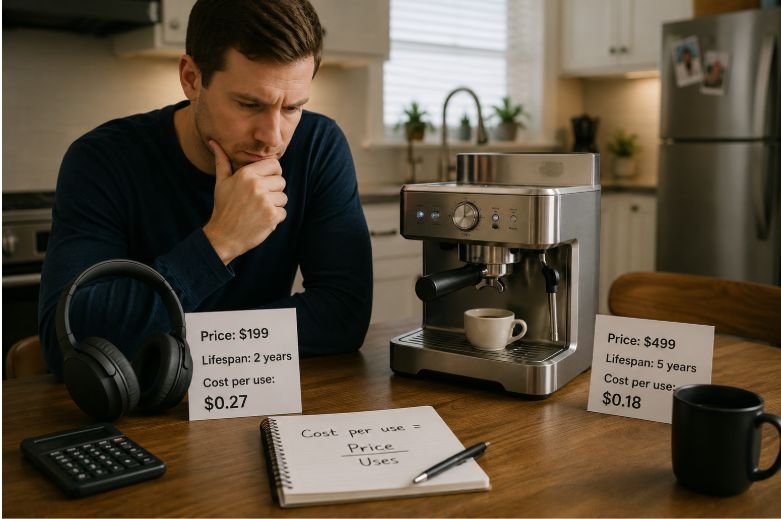
Buying the cheapest option isn’t always the smartest financial decision. Sometimes spending a little more on a durable product actually saves money because it lasts longer.
Looking at cost-per-use encourages better spending decisions. A quality pair of shoes worn hundreds of times often costs less per wear than replacing inexpensive pairs every few months. The same thinking applies to household items, electronics, and even clothing.
Mindful spending isn’t about buying less; it’s about buying better.
Make Saving Part of Your Everyday Routine
Financial discipline becomes easier when it’s attached to habits you already have. Instead of treating saving as another task on your to-do list, make it part of your daily routine.
Simple habits include:
- Round up purchases and automatically save the spare change.
- Redirect tax refunds, bonuses, or cash gifts into savings or debt repayment.
- Use cashback rewards for planned purchases instead of buying extra items.
- Turn on banking alerts to stay aware of daily spending.
These habits require very little effort individually, but together they create steady financial progress.
If you’re looking for how to reach your savings goals faster, combining several small habits usually works better than relying on one big change. The more automatic your financial decisions become, the easier it is to stay consistent.
Small Wins Create Bigger Financial Confidence

Saving money isn’t only about growing your bank account. It also reduces financial stress and gives you greater flexibility when unexpected expenses appear.
Whether it’s covering a car repair without using a credit card or feeling confident enough to plan a vacation, every small financial win builds momentum. Over time, those wins create habits that support long-term wealth rather than temporary savings.
People who succeed financially rarely rely on perfect budgeting. They simply make enough good decisions consistently that the results begin to compound.
FAQs: From Daily Habits to Financial Wins: Small Changes That Lead to Bigger Savings
What are some small changes that lead to bigger savings?
Automating savings, tracking spending, reviewing subscriptions, waiting 24 hours before impulse purchases, and reducing recurring expenses are simple habits that add up over time.
How much should I automate into savings each month?
Start with an amount that comfortably fits your budget, even if it’s small. Increasing automatic transfers gradually is often more sustainable than setting an unrealistic target.
Why is tracking expenses for one month helpful?
Recording every purchase helps identify hidden spending habits, making it easier to adjust your budget and focus on expenses that matter most.
Do small savings really make a difference?
Yes. Small amounts saved consistently can grow significantly over time. The key is building habits you can maintain rather than relying on occasional large contributions.
Why Better Money Habits Always Outlast Bigger Budgets
Financial success rarely comes from one dramatic decision. It’s built through everyday choices that become second nature over time. Whether you’re automating your savings, questioning impulse purchases, or simply paying closer attention to where your money goes, each habit strengthens your financial foundation.
These routines don’t demand perfection; they reward consistency, making it easier to spend with purpose while preparing for future goals.
The smallest changes often become the ones that make the biggest difference.