



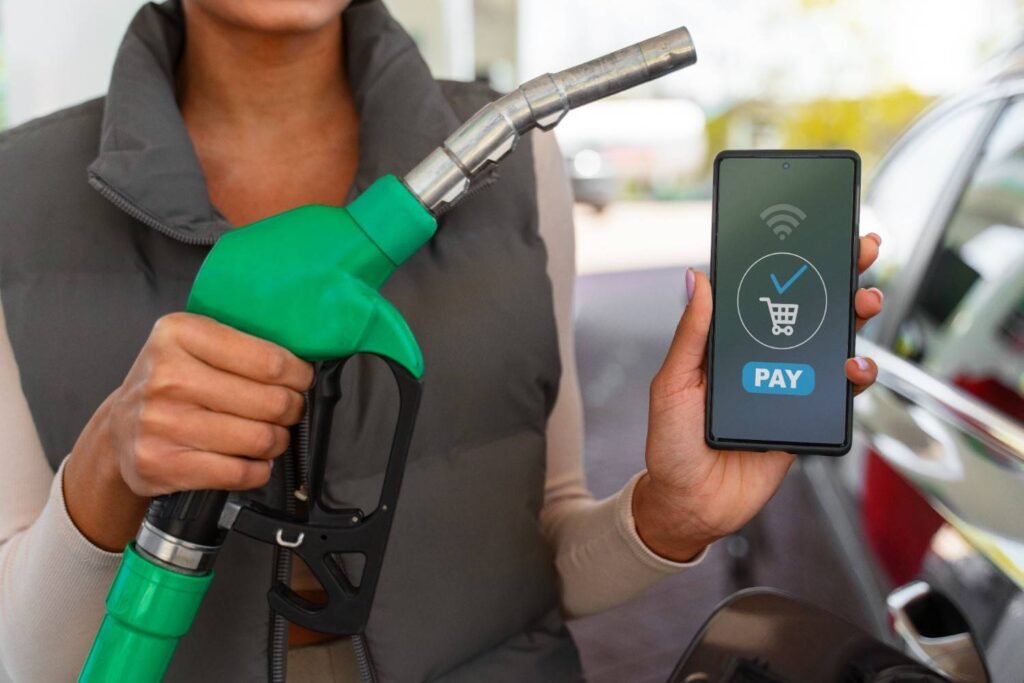




Can a merchant charge a debit card without a PIN? Yes, a merchant can process an authorized debit card payment without asking for your personal identification number. This commonly happens with online purchases, signature debit transactions, contactless payments, recurring subscriptions, and cards stored on file.
However, the ability to process a payment does not automatically give the merchant permission to charge you. The merchant must still have valid authorization for the purchase or recurring payment.
I understand why a no-PIN transaction can seem suspicious. Many people assume every debit card purchase requires a PIN because the money comes directly from a checking account. In practice, US debit cards can travel through several payment networks, and only some of them require PIN verification.
How Can a Debit Card Be Charged Without a PIN?
A debit card can function through either a PIN-based debit network or a card network such as Visa or Mastercard. The checkout system, card issuer, merchant setup, transaction type, and cardholder verification method determine how the payment gets processed.
Visa explains that cardholders may sign for debit card purchases or enter a PIN when a merchant provides that option. Visa also allows eligible online debit transactions to work similarly to credit card transactions, without requiring the cardholder’s PIN.
This means a debit card transaction without PIN verification is not automatically fraudulent. It may simply use a different authorization method.
Can a Merchant Run a Debit Card as Credit?
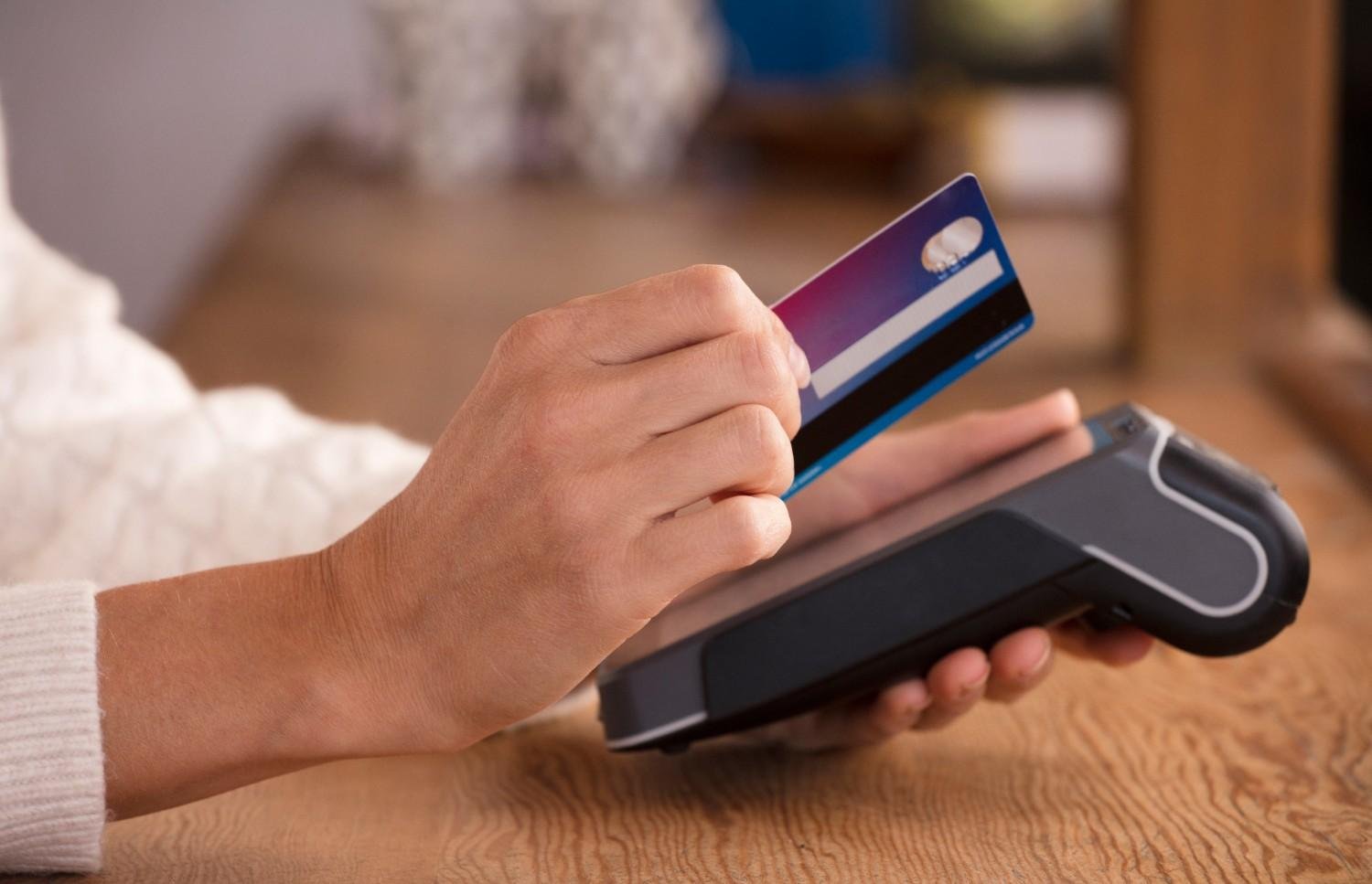
A merchant can often run a debit card as credit when the card carries a Visa or Mastercard logo. Choosing “credit” does not turn the card into a credit card, create a loan, or move the purchase to a credit account.
The payment still comes from your checking account. The word “credit” at the terminal usually describes the payment network used to process the transaction. Instead of entering a PIN, you may sign, tap the card, approve the purchase through a mobile wallet, or complete the transaction without any additional action.
When comparing signature debit versus PIN debit, the biggest difference is generally the verification and routing process. A PIN debit payment uses your PIN and typically travels through a debit network. A signature debit payment usually travels through a Visa or Mastercard network, even when no physical signature is collected.
Why Did My Debit Card Not Ask for a PIN?
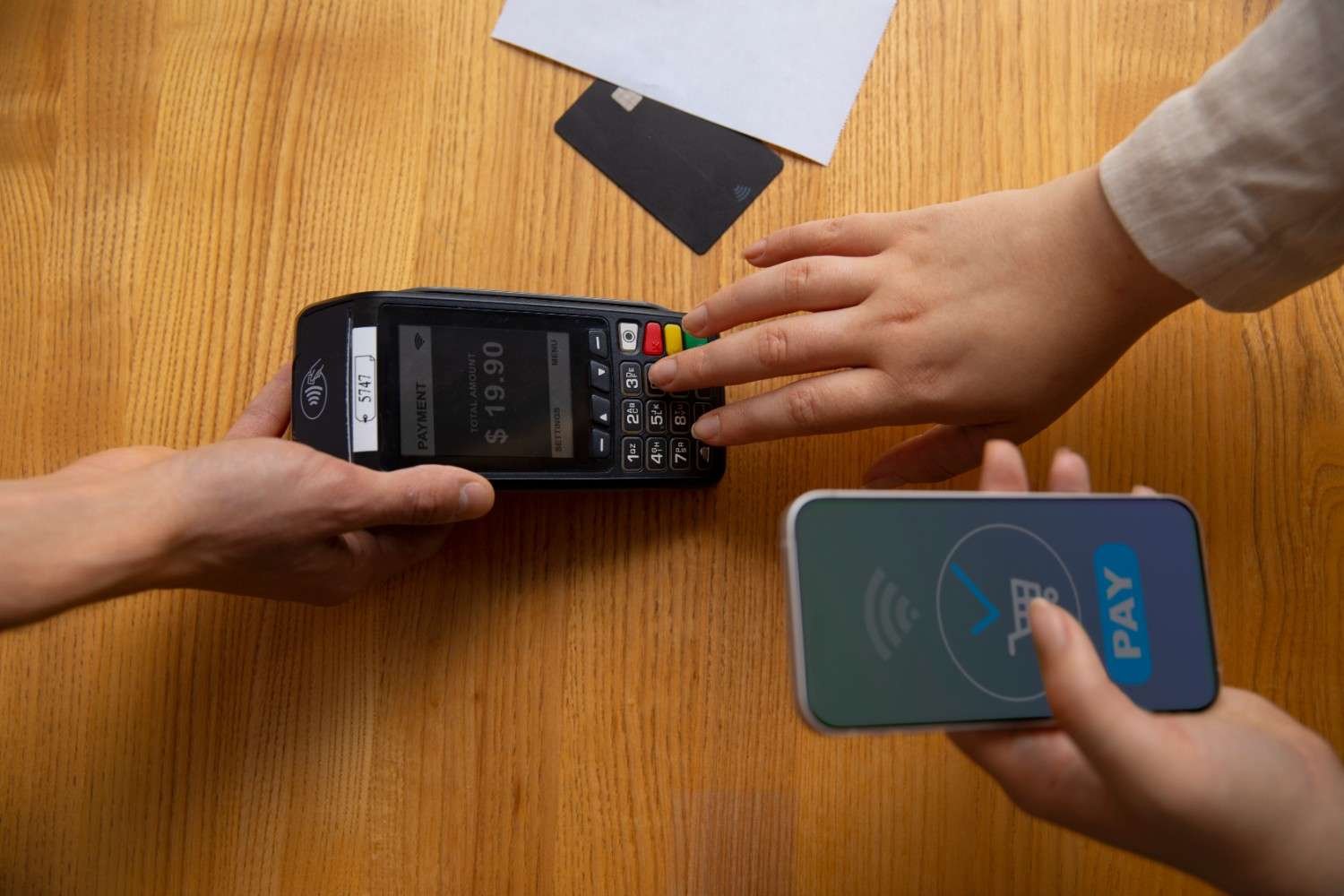
You may not receive a PIN prompt when you tap your card, insert it at certain terminals, select credit, shop online, order by phone, or use a mobile wallet.
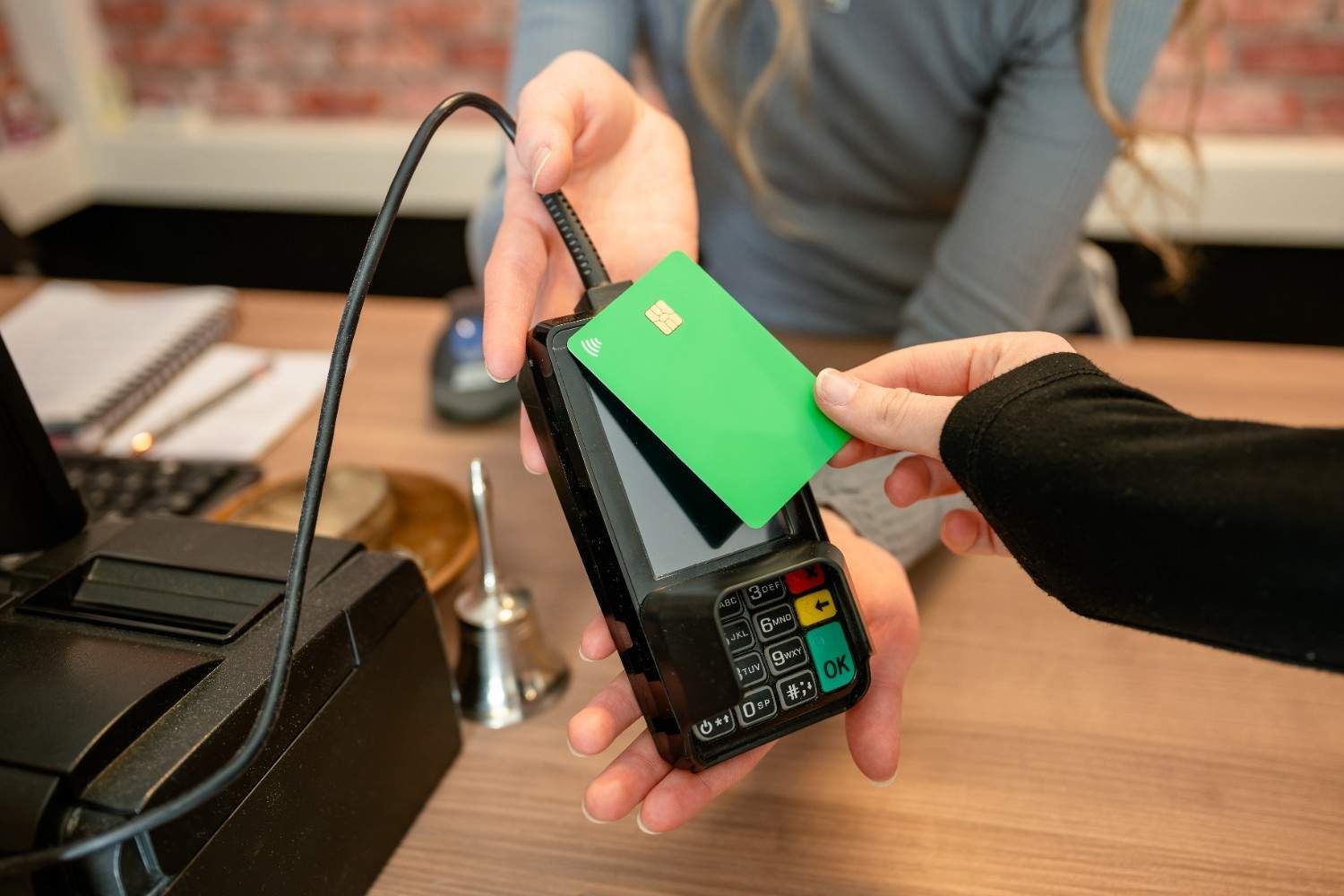
Modern chip and contactless systems can approve some purchases without a PIN or signature. The card and terminal determine the cardholder verification method for an in-person transaction, so the absence of a PIN prompt does not necessarily mean the merchant bypassed security.
Understanding contactless debit card PIN requirements can also explain why a tap-to-pay purchase feels different from a traditional debit transaction. Depending on the card, purchase, terminal, and issuer, the transaction may use encrypted card information without requesting the PIN.
An online debit card payment without PIN verification is also normal. Online merchants usually ask for the card number, expiration date, billing information, and security code instead. Some transactions may trigger an additional identity check from the issuing bank.
What Is a PINless Debit Transaction?
A PINless debit transaction uses an eligible debit network without requiring the customer to enter a PIN. Merchants commonly use PINless processing for certain online payments, bill payments, digital purchases, and recurring services.
PINless debit is different from signature debit, although both can happen without a PIN. Signature debit generally travels through the card brand’s network. True PINless debit can travel through a participating debit network that supports no-PIN authentication.
Consumers rarely choose the exact network themselves. The merchant’s payment processor and routing system often make that decision behind the scenes.
Can a Merchant Charge a Debit Card Stored on File?
A merchant may process a card-on-file debit card payment when you previously provided the card information and authorized its use. Common examples include streaming subscriptions, insurance premiums, gym memberships, utility payments, food delivery apps, and online stores where you saved your card.
A recurring debit card charge should follow the authorization you gave when enrolling. Under Regulation E, a preauthorized electronic fund transfer is one that the consumer authorizes in advance to occur repeatedly without further action for each individual payment.
Saving your card for convenient checkout does not necessarily authorize every future charge. The merchant should clearly disclose whether you are approving a one-time payment, recurring subscription, trial conversion, security deposit, cancellation fee, or another later charge.
The Federal Trade Commission states that businesses must take steps to ensure that debit card and other account charges are authorized. It also considers billing consumers for automatic shipments or continuity programs without express consent unlawful.
Can a Merchant Charge More Than the Amount I Approved?
A merchant should charge only the amount permitted by your agreement. However, the final amount may legitimately differ in certain situations.
Restaurants may add an approved tip after initially authorizing the meal amount. Hotels and rental car companies may place temporary authorization holds for estimated expenses. Gas stations may authorize an amount before knowing the final fuel total. Subscription prices may also change when the company gives proper notice under its terms.
Review the receipt, service agreement, cancellation policy, and billing disclosure before assuming the difference is unauthorized. If the amount falls outside what you agreed to, contact the merchant and your bank promptly.
What Should I Do If a Merchant Charged My Debit Card Without Authorization?
Discovering that a merchant charged a debit card without authorization requires quick action. Because debit card funds leave your bank account, waiting can affect both your available balance and your federal protections.
I recommend taking these steps:
- Lock the debit card through your banking app if you suspect fraud.
- Check the merchant name, amount, date, and any related subscription.
- Contact the merchant and request an explanation or refund.
- Report the unauthorized debit card transaction to your bank immediately.
- Replace the card if its information may have been compromised.
- Save receipts, emails, cancellation confirmations, and dispute reference numbers.
For a lost or stolen debit card or PIN, reporting the loss within two business days can generally limit liability to no more than $50 under Regulation E. Reporting later may increase potential liability, depending on the circumstances. Consumers should also report an unauthorized transfer shown on a statement within 60 days after the statement was sent.
These deadlines represent federal limits, but many banks voluntarily provide additional protections. Your bank must review a properly reported error under Regulation E’s error-resolution procedures.
How Can I Stop a Recurring Merchant Charge?
Start by canceling the service directly with the merchant and keeping proof of the cancellation. Removing the card from an app may not cancel the underlying subscription agreement.
You can also contact your bank about stopping a preauthorized electronic fund transfer. Federal rules generally allow consumers to submit a stop-payment request at least three business days before the scheduled transfer. The bank may request written confirmation after an oral request.
If you revoke the merchant’s authorization, tell your bank clearly that the authorization is no longer valid. Official Regulation E commentary states that after receiving notice that authorization has ended, the financial institution must block future payments for that particular debit.
How Can I Reduce Debit Card Fraud Without a PIN?
Debit card fraud without PIN access can occur when someone obtains the card number and uses it online, over the phone, through a compromised account, or at a checkout that does not require PIN entry.
I reduce the risk by turning on transaction alerts, using digital wallets when available, avoiding unfamiliar checkout pages, reviewing my account frequently, and locking cards I do not regularly use. Digital wallets can provide additional protection by using tokenized payment information instead of exposing the card’s actual account number to every merchant.
No security method eliminates every risk, so fast detection remains important. A small unfamiliar payment may sometimes be an attempt to test whether stolen card information still works.
Frequently Asked Questions (FAQs)
1. Can a merchant manually enter a debit card without a PIN?
Yes. A merchant may manually enter the card number for an authorized phone order, online order, invoice, or card-not-present transaction. The merchant may request other verification information instead of a PIN.
2. Can someone use my debit card without my PIN?
Yes. Someone may attempt to use the card online, through contactless checkout, over the phone, or through a signature transaction. Report an unfamiliar transaction to your bank immediately.
3. Can a company keep charging a canceled debit card?
Replacing or canceling a card may not always cancel the agreement with the company. Some recurring payments may continue through updated card information services. Cancel directly with the merchant and notify your bank when authorization has been revoked.
4. Can a merchant charge a debit card without a PIN after I cancel a subscription?
A merchant should not continue collecting recurring payments after a valid cancellation takes effect. Keep proof of cancellation, dispute any later charge with the merchant, and notify your bank that the authorization has ended.
Final Thoughts
A merchant can process an authorized debit card payment without a PIN through signature debit, PINless debit, online checkout, contactless payment, or card-on-file billing. That process is normal and widely used throughout the United States.
Understanding how debit card authorization works is one of the basics of personal finance, especially when reviewing bank statements and protecting your account. What matters most is authorization. A PIN confirms certain transactions, but it does not determine whether a merchant has your permission to collect money. Whenever I find an unfamiliar payment, I first identify the merchant and check for subscriptions or delayed charges. If the transaction remains unexplained, I contact the bank immediately rather than waiting for another statement.