






I know how tempting it is to put a growing house fund into the market and hope it reaches the goal faster. However, how to invest for a house down payment is not simply about finding the highest return. The challenge is balancing growth, safety, liquidity, and the date when the money will be needed.
A sensible plan starts with the purchase timeline. Money required soon should be protected from market swings, while money needed several years from now may have more room to grow. The plan should also cover closing costs, moving expenses, repairs, and an emergency reserve.
Calculate the Full Cash Goal
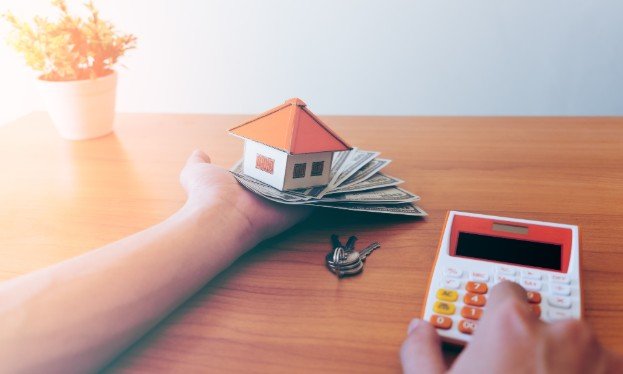
The down payment is only one part of the amount needed to buy a home. Begin with the expected property price and preferred down payment percentage. Then add closing costs, inspection fees, moving expenses, immediate repairs, and cash reserves.
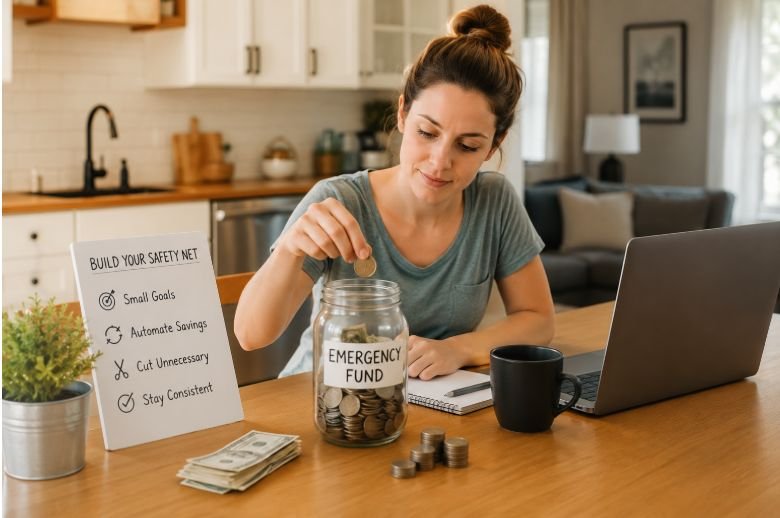
Someone targeting a $350,000 home may plan a $35,000 down payment, but the real target can be much higher after other expenses are included. Keep the emergency fund separate so an unexpected bill or income change does not create a crisis after closing.
Match the Investment to the Buying Timeline
Time horizon is the most important factor because it determines how much volatility the house fund can absorb.
Buying Within One Year
When the purchase is less than 12 months away, capital protection should take priority. A high-yield savings account, insured money market deposit account, short-term certificate of deposit, or Treasury bill may be suitable.
The money should remain easy to access once deposits, inspections, and closing preparations begin. Avoid stocks, cryptocurrency, long-duration bond funds, or anything that could fall sharply before the purchase.
Buying in One to Three Years
A one-to-three-year timeline still calls for a conservative approach. Savings accounts, CD ladders, and short-term Treasury securities may provide modest earnings without exposing the full balance to stock-market losses.
Review early-withdrawal penalties and make sure every maturity date fits the expected buying schedule.
Buying in Three to Five Years
A buyer with a flexible purchase date and strong risk tolerance might balance saving and investing by placing a limited portion in a diversified, low-cost portfolio while keeping the rest in cash equivalents, CDs, or Treasuries.
Three to five years does not guarantee a positive stock return. A downturn could reduce the fund just as the right property appears. Any invested portion should be money the buyer can leave untouched or replace through continued saving.
Buying More Than Five Years Away
A longer horizon may support greater exposure to diversified stock and bond index funds, especially when the purchase date is flexible. Diversification reduces dependence on one company or industry, but it cannot eliminate losses.
Keep the house fund separate from retirement savings and daily spending. Prepare to shift toward lower-risk assets as the purchase date approaches.
Build a Down Payment Glide Path
A glide path is a schedule for reducing risk. Someone starting more than five years away might use a diversified portfolio alongside cash. Around three years before buying, part of the balance can move toward Treasury securities, CDs, or other conservative holdings. During the final year, the closing money can move into liquid, low-volatility accounts.
The schedule should identify when transfers will happen, how much will be protected, and where the money will be held.
Compare Cash and Low-Risk Options
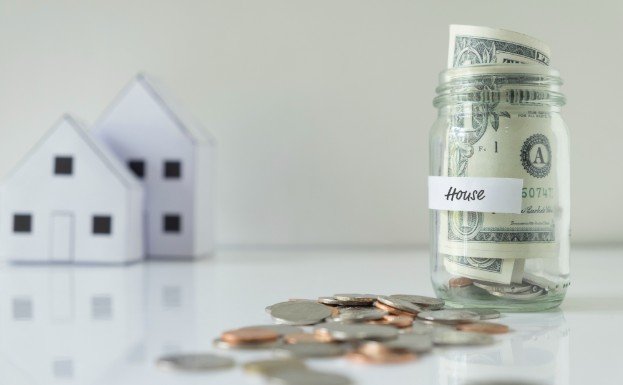
A bank savings account and a brokerage money market fund are not the same. Eligible bank and credit-union deposits may receive insurance within applicable limits. Money market mutual funds are investments and do not carry the same protection.
CDs may offer predictable interest but can charge early-withdrawal penalties. Treasury securities carry federal backing, while bond funds can lose value when interest rates change.
Compare liquidity, insurance, fees, penalties, maturity dates, and tax treatment rather than relying only on an account name.
Set a Monthly Savings Target
Divide the complete cash goal by the number of months until the intended purchase. Automate that amount shortly after payday and direct bonuses, refunds, or extra income to the dedicated fund.
Review the target whenever home prices, income, mortgage rates, or the buying date changes. Extending the timeline lowers the monthly requirement, while moving it forward may require larger contributions or a lower property target.
Avoid Costly House-Fund Mistakes
Do not invest the full balance aggressively because the purchase feels several years away. Do not ignore closing costs, use the entire emergency reserve, or lock money into products that mature after the expected closing date.
Be cautious about retirement accounts. Withdrawals or loans may involve taxes, penalties, repayment rules, and lost growth. Lower-down-payment mortgages and assistance programs may reduce the upfront goal, but eligibility and total borrowing costs still matter.
Frequently Asked Questions
1. Is investing better than keeping the down payment in savings?
It depends on the timeline. Savings and short-term government securities usually fit near-term purchases, while diversified investments may suit a distant and flexible goal.
2. How to invest for a house down payment with two years available?
Prioritize protection and access through an insured high-yield savings account, properly timed CDs, or short-term Treasury securities.
3. Can a house fund be placed in index funds?
Yes, but only when the purchase is far enough away and the buyer can tolerate a loss or postpone buying.
4. Should retirement contributions be reduced to save faster?
Not automatically. Consider employer matching, debt, taxes, the purchase timeline, and the effect on retirement growth first.
My Final Take
I would treat a house fund differently from retirement money. The goal is not to capture every possible gain; it is to have the required cash available when the right property appears.
For me, the strongest strategy calculates the full buying cost, separates the money from daily accounts, matches risk to time, and reduces volatility as closing approaches. A modest return with reliable access can be more valuable than a higher expected return that puts the purchase at risk.