






Choosing a debit or credit card for paying utility bills can affect far more than how quickly the payment leaves your account. The right credit card may earn cash back, simplify recurring payments, protect your checking balance, and provide short-term cash-flow flexibility.
A debit card keeps borrowing out of the equation, but it immediately removes money from your bank account and usually offers little or no meaningful reward value.
For many disciplined US consumers, credit is the stronger option. However, it only wins when rewards exceed processing fees and the cardholder pays the full statement balance by the due date.
Is a Credit Card Better Than a Debit Card for Utility Bills?
A credit card is generally better when the utility company accepts it without charging a convenience fee. It can provide rewards, billing-dispute protections, centralized expense tracking, and time between the purchase and the payment due date.
The same comparison often arises when choosing a debit or credit card for teenagers, because each payment method teaches different financial habits. A debit card uses funds directly from checking. That can help prevent debt, but it also means an incorrect or fraudulent charge may temporarily reduce the cash available for rent, groceries, or emergency expenses.
Credit cards are not universally better in every situation. A person who carries a balance, pays card-processing fees, or struggles with overspending may save more by using debit or a free ACH bank transfer.
Credit Card vs. Debit Card for Utility Payments

| Evaluation factor | Credit card | Debit card |
| Financial rewards | May earn 1% to 5% or more on eligible spending | Rewards are usually limited or unavailable |
| Cash-flow impact | Payment is due after the billing cycle closes | Money leaves checking quickly |
| Credit profile | Payment history and utilization may affect credit | Regular debit use does not build traditional credit |
| Fraud impact | A disputed charge does not immediately drain checking | An unauthorized transaction may reduce available cash |
| Debt risk | Interest applies when balances are carried | No credit card interest |
| Overdraft risk | Usually does not affect checking immediately | Insufficient funds may trigger a declined payment or overdraft |
| Payment fees | Utilities may charge a convenience fee | Fees may be lower, although policies vary |
When Do Credit Card Rewards Make Utility Payments Worthwhile?
Rewards create the strongest argument for using credit. If monthly electricity, gas, water, internet, cellphone, and waste bills total $500, a 2% cash-back card could generate $120 annually.
However, the calculation changes when a utility adds a processing fee. A 2.5% fee on $500 of monthly payments would cost $150 annually, producing a $30 loss even after earning 2% cash back.
I use a simple rule: subtract the annual card fees from the annual rewards. Credit makes sense only when the result remains positive.
Which US Credit Cards Offer Utility Rewards?
The U.S. Bank Cash+ Visa Signature Card allows cardholders to select home utilities as one of two 5% cash-back categories. The 5% rate applies to the first $2,000 in combined eligible purchases each quarter, and the category must be selected or activated according to the program rules. U.S. Bank identifies electric, gas, and waste-management companies as examples of eligible home-utility merchants.
The Elan Max Cash Preferred Card also offers 5% cash back on two selected categories, limited to the first $2,000 in combined quarterly purchases. Availability may depend on the financial institution offering the card.
Consumers who prefer simpler rewards may consider a flat-rate card. Citi states that its Double Cash Card earns unlimited 2% cash back on purchases, split between 1% when the purchase is made and another 1% when it is paid.
Card terms, reward categories, merchant coding, and limits can change, so I always review the issuer’s current terms before applying.
How Does Paying Utilities With Credit Improve Cash Flow?

A credit card can create a temporary buffer between the utility payment date and the card’s due date. This does not mean every card automatically provides 45 to 50 interest-free days.
A grace period is the time between the end of a billing cycle and the payment due date. Most cards provide one for purchases, but issuers are not legally required to do so. Consumers generally need to pay the balance in full by the due date to avoid purchase interest.
I treat this buffer as payment flexibility, not extra income. The utility money should remain available so the statement can be paid completely.
Does Paying Utility Bills With a Credit Card Build Credit?
The utility payment itself does not usually appear as a positive payment record on reports from Equifax, Experian, or TransUnion. The CFPB notes that most utility companies do not regularly report on-time payments to the three nationwide credit bureaus, although unpaid accounts sent to collections may appear.
When a utility charge runs through a credit card, the card account affects credit. Paying on time can support a positive payment history, while large balances can increase credit utilization. The CFPB advises keeping balances low relative to credit limits and explains that consumers do not need to carry debt to build a good score.
Is Autopay Better With a Credit Card or Debit Card?
Credit-card autopay can reduce missed utility due dates and place recurring household expenses on one monthly statement. This consolidated bookkeeping makes it easier to review electricity, internet, cellphone, and subscription costs together.
However, autopay does not eliminate late-payment risk. A transaction may fail because of an expired card, a replaced account number, an insufficient credit limit, or incorrect billing information. I recommend activating transaction alerts and checking every utility account at least once a month.
Debit-card autopay may suit people who want expenses settled immediately, but they should maintain a checking-account buffer for seasonal heating or cooling increases.
Are Credit Cards Safer for Utility Bill Disputes?
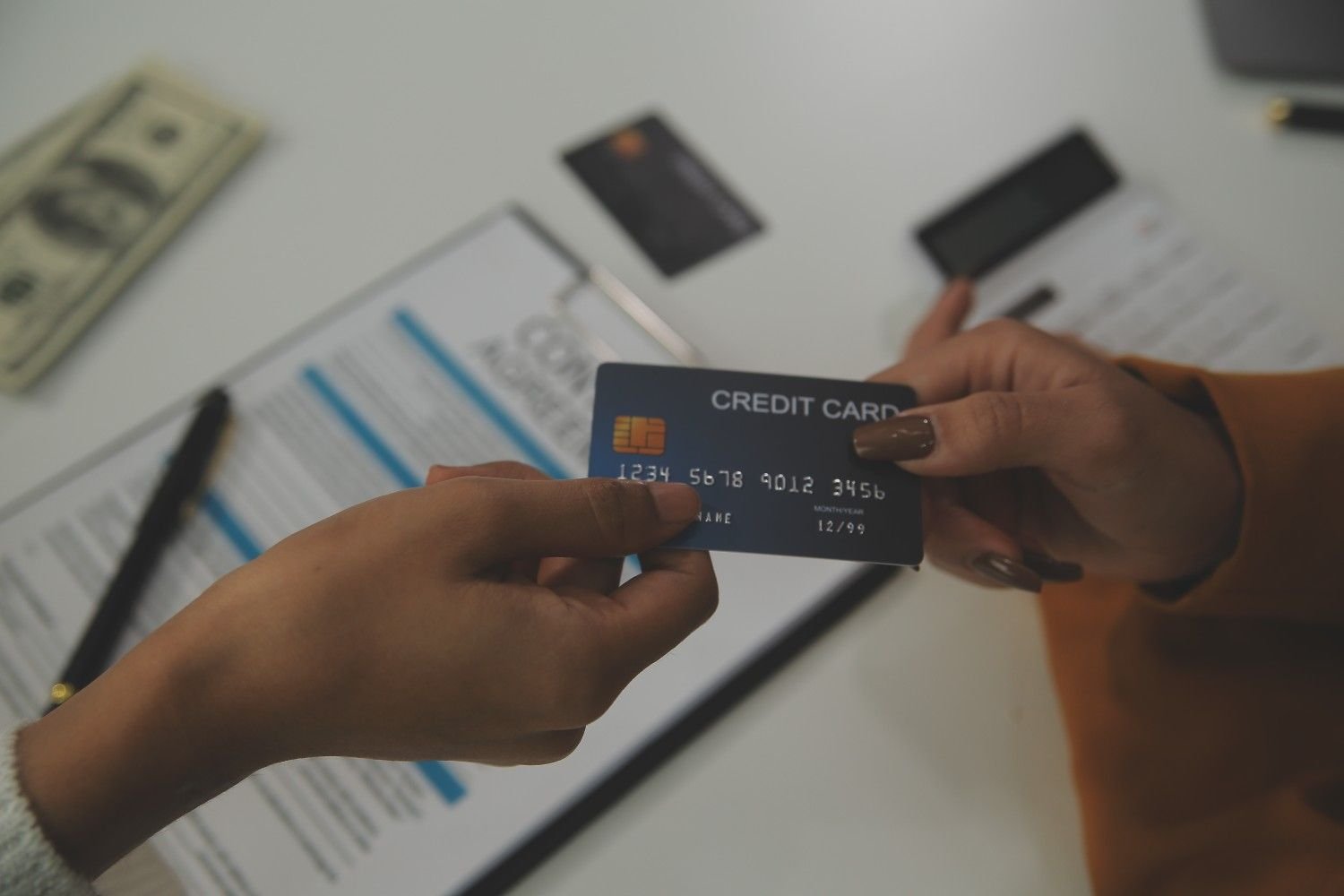
Federal rules generally limit a consumer’s liability for unauthorized credit card use to no more than $50, and many issuers provide zero-liability policies. Credit-card billing-error procedures also allow consumers to dispute qualifying charges.
Debit cards also have federal protections, but reporting speed matters. Depending on the circumstances, delays in reporting a lost card or unauthorized transfer can increase potential liability. The bank may also need time to investigate, leaving the checking-account funds temporarily unavailable.
What Utility Bill Payment Blind Spots Should I Avoid?
The biggest blind spot is focusing on an advertised reward rate while ignoring its cap. A 5% utility category may sound impressive, but quarterly spending limits can restrict the total return.
Convenience fees create another problem. A flat fee may be expensive for a small water bill, while a percentage fee may erase the rewards on larger electricity or gas payments.
Finally, I never carry utility charges as long-term debt. Interest can quickly overwhelm cash-back earnings. When paying the statement in full is unrealistic, debit or fee-free ACH is usually the more responsible option.
Frequently Asked Questions (FAQs)
1. Should I choose a debit or credit card for paying utility bills?
Choose credit when the rewards exceed all fees and you can pay the statement in full. Choose debit or ACH when credit would create interest, high utilization, or overspending.
2. Do all utility companies accept credit cards?
No. Payment options and processing fees differ by provider, municipality, and payment platform. Review the utility’s payment page before enrolling in autopay.
3. Can utility payments earn 5% cash back?
Some US cards offer 5% in selected home-utility categories, but quarterly caps, category activation requirements, and merchant coding restrictions may apply.
4. Is ACH better than paying utilities by card?
ACH can be the cheapest choice when the provider charges card fees. It does not typically earn rewards, but it may avoid both credit card interest and processing costs.
Final Verdict
For disciplined cardholders, using a debit or credit card for paying utility bills usually favors credit because it can deliver cash back, cash-flow flexibility, dispute support, and simpler monthly tracking. Debit remains useful for consumers who want immediate account deductions and no borrowing risk.
The winning method depends on the math. Compare the reward rate, convenience fee, spending cap, interest risk, and checking balance before setting up automatic payments. A high-reward card only saves money when every statement is paid in full.